
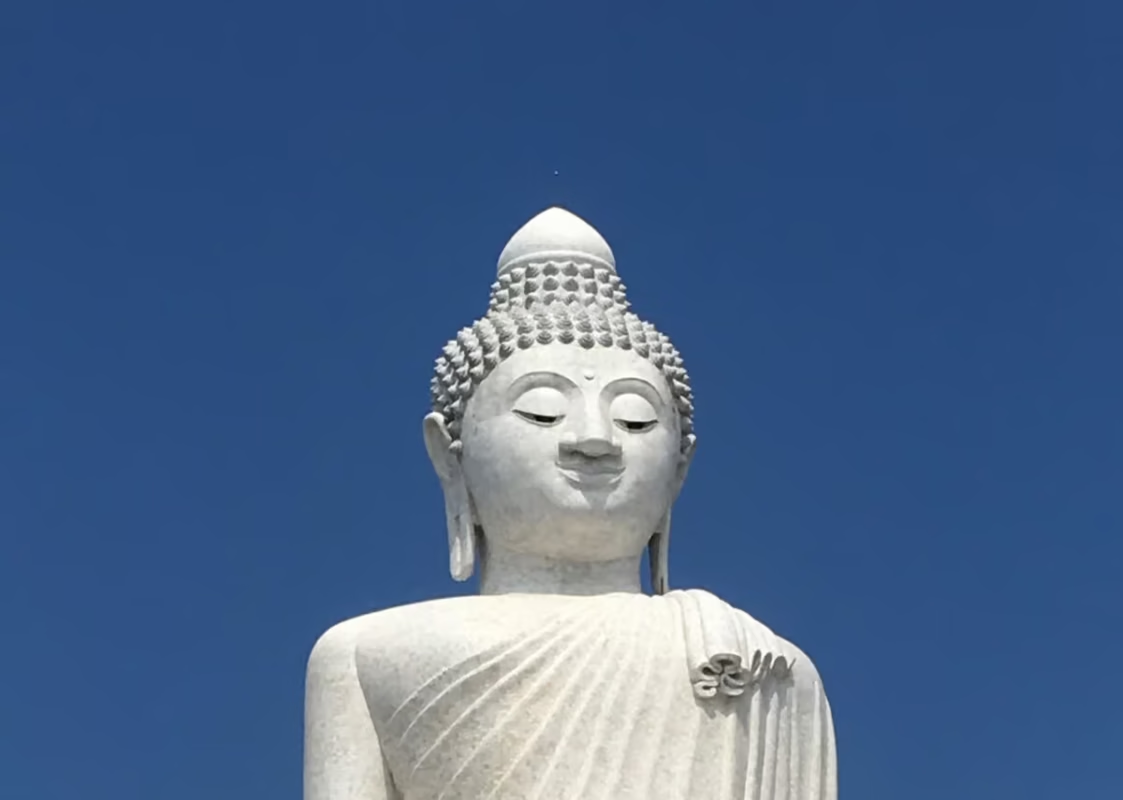
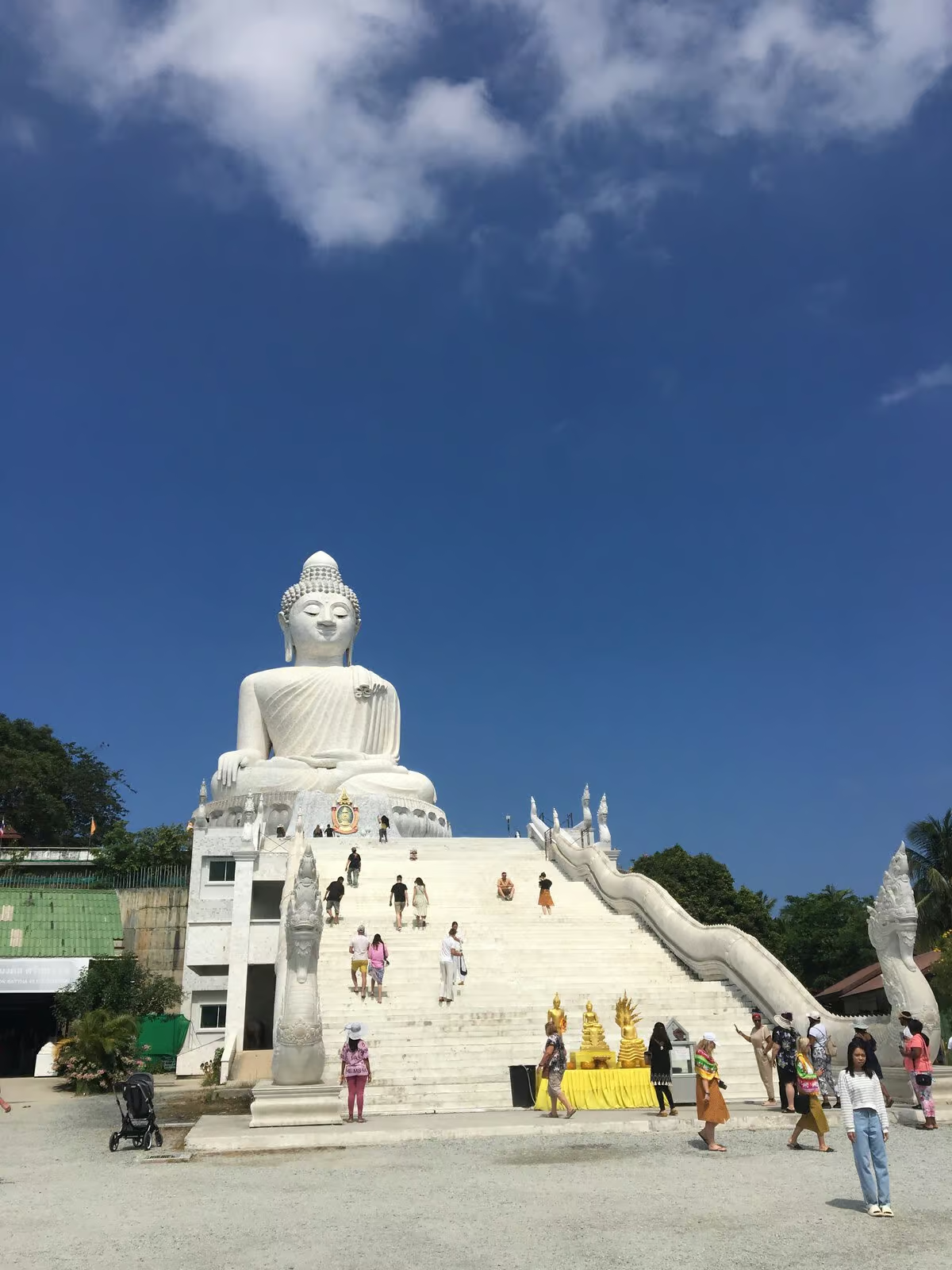
Standing 45 metres (148 feet) above Nakkerd Hill, the Big Buddha Phuket is one of the island’s most famous landmarks and a must-visit attraction for travellers. Visible from many parts of southern Phuket, the impressive white marble statue offers breathtaking panoramic views over Chalong Bay, Kata Beach, Karon Beach, and the lush tropical landscape.
More than just a spectacular viewpoint, the Big Buddha is an active Buddhist temple and an important place of worship. Visitors come not only to admire the remarkable architecture but also to experience the peaceful atmosphere, learn about Thai Buddhism, make merit, and enjoy one of Phuket’s most memorable cultural experiences.
Whether you’re interested in Phuket’s history, photography, spirituality, or simply looking for one of the island’s best viewpoints, the Big Buddha Phuket belongs at the top of every travel itinerary.
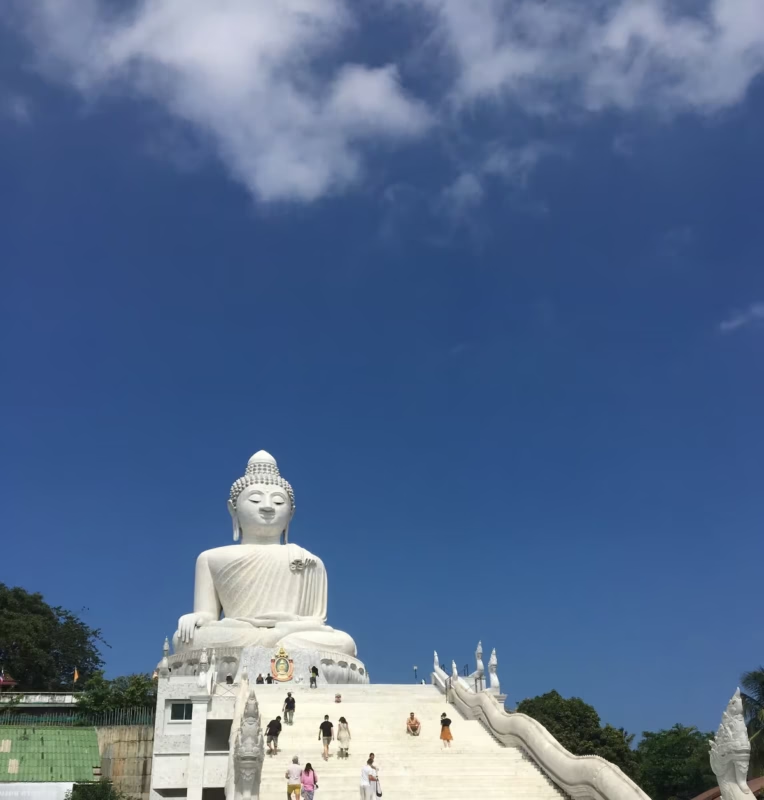
The Big Buddha Phuket is far more than an impressive statue. It represents peace, faith, compassion, and unity, making it one of the most significant spiritual landmarks on the island. For many local residents, the monument is a sacred place that symbolises protection, prosperity, and good fortune for Phuket.
At the same time, the Big Buddha serves as one of Phuket’s best-known landmarks. Perched on the summit of Nakkerd Hill, the 45-metre-tall white marble statue can be seen from many locations across southern Phuket, including Kata Beach, Karon Beach, Chalong Bay, and the surrounding hills.
This unique combination of an active Buddhist temple, a cultural attraction, and one of the island’s most spectacular viewpoints makes the Big Buddha a must-visit destination for travellers from around the world. Whether you’re interested in Thai culture, Buddhist traditions, panoramic photography, or simply enjoying breathtaking scenery, the Big Buddha offers an unforgettable experience.
Map of Big Buddha Phuket showing the main access roads from Kata Beach and Chalong.
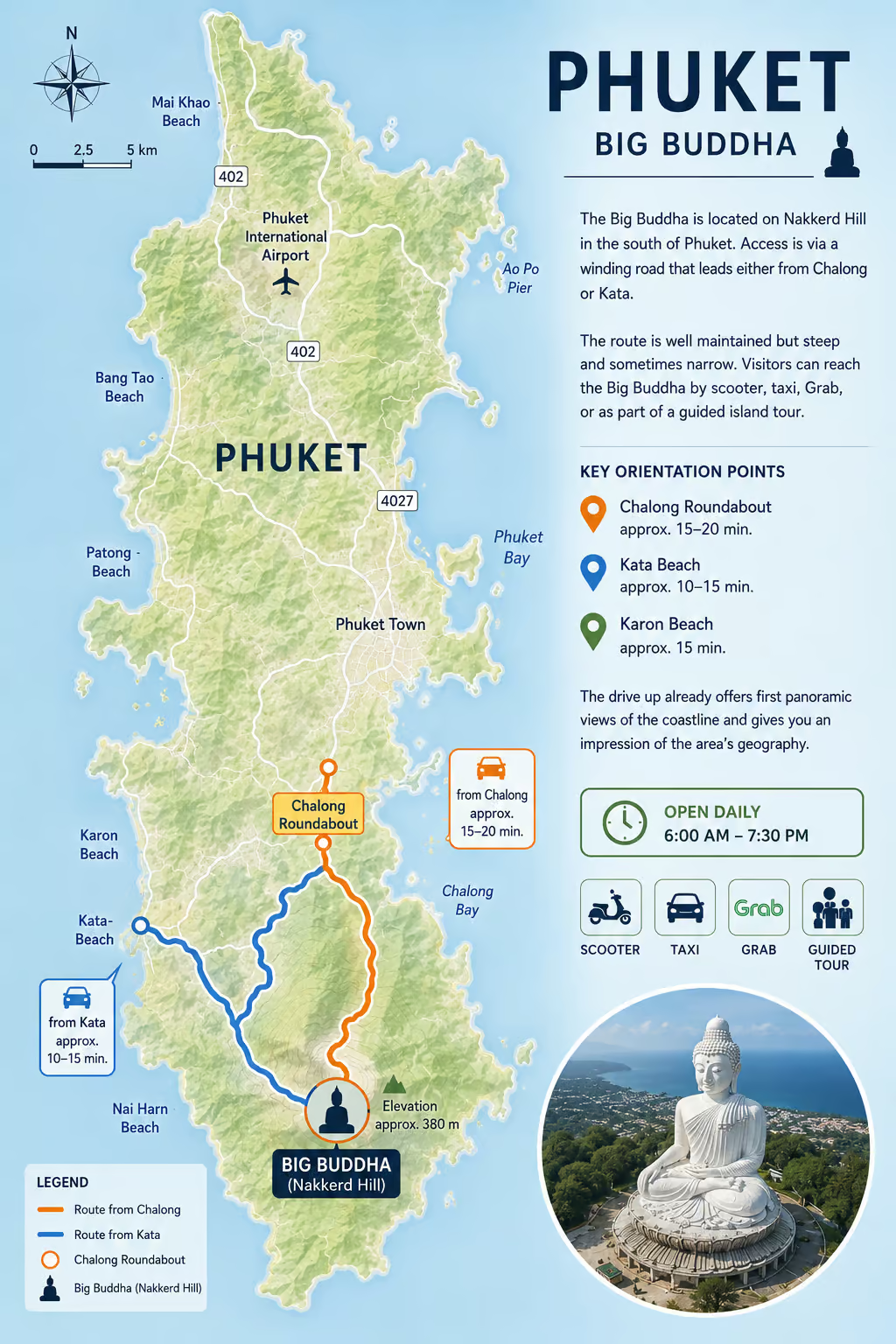
The Big Buddha Phuket is located on the summit of Nakkerd Hill in southern Phuket, between Chalong and Kata. Visitors reach the monument via a winding mountain road that starts either from Chalong or from Kata Beach. The scenic drive is an attraction in itself, offering beautiful panoramic views across the island long before you reach the summit.
Although the road is fully paved, it includes several steep sections, sharp bends, and occasional uneven surfaces. Drive carefully, especially during the rainy season when the road can become slippery. The Big Buddha can easily be reached by scooter, rental car, taxi, Grab, or as part of a guided Phuket island tour.
As you climb Nakkerd Hill, several viewpoints offer spectacular views over Chalong Bay, Kata Beach, Karon Beach, and Phuket’s lush tropical landscape. The journey itself is one of the highlights of visiting the Big Buddha.
Today, the Big Buddha Phuket ranks among the island’s most visited attractions and is considered an essential stop on almost every Phuket itinerary. Whether you travel independently or join a sightseeing tour, this iconic landmark should not be missed.
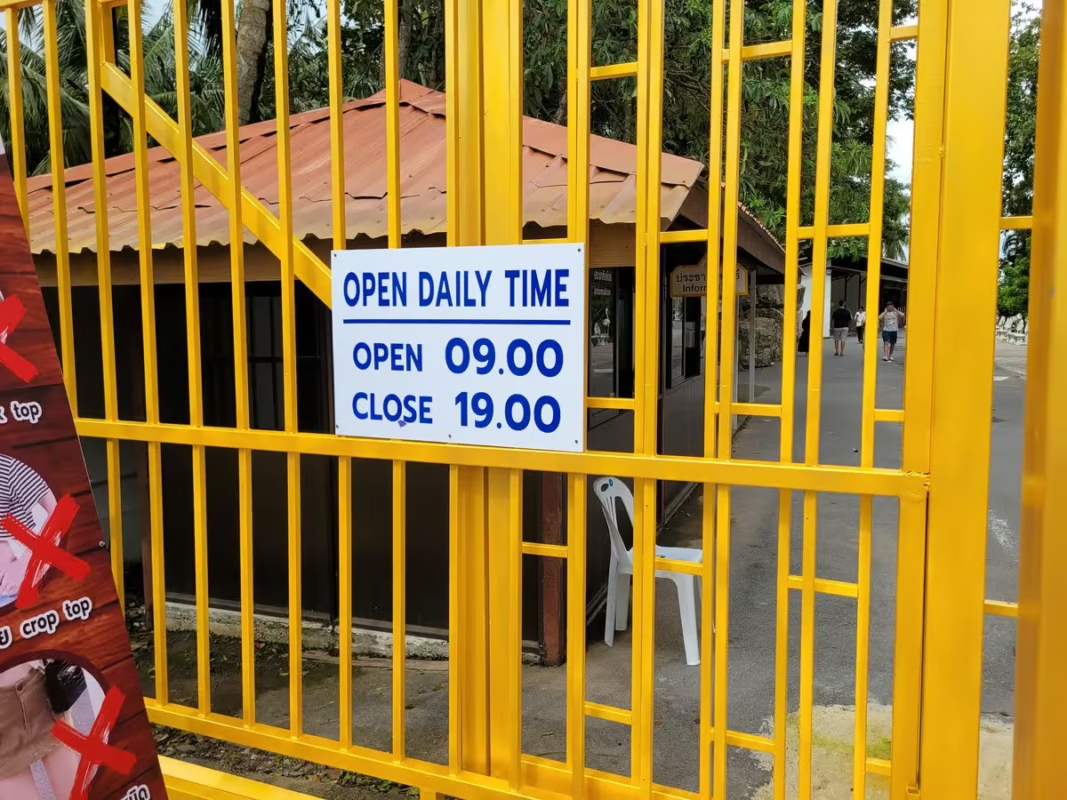
The Big Buddha is generally open daily from the morning until early evening. As it is an active religious site, opening hours may change during Buddhist ceremonies, special events, maintenance work, or adverse weather conditions. Checking the latest visitor information before travelling is always recommended.
A visit to the Big Buddha Phuket is one of the highlights of any trip to the island. Located on Nakkerd Hill between Chalong and Kata, the site combines breathtaking panoramic views with a peaceful spiritual atmosphere. To help you make the most of your visit, here is everything you should know before you go.
Entry to the Big Buddha is free of charge. As the monument is funded through voluntary public donations, visitors are welcome to contribute to the ongoing maintenance and preservation of this important cultural and religious landmark.
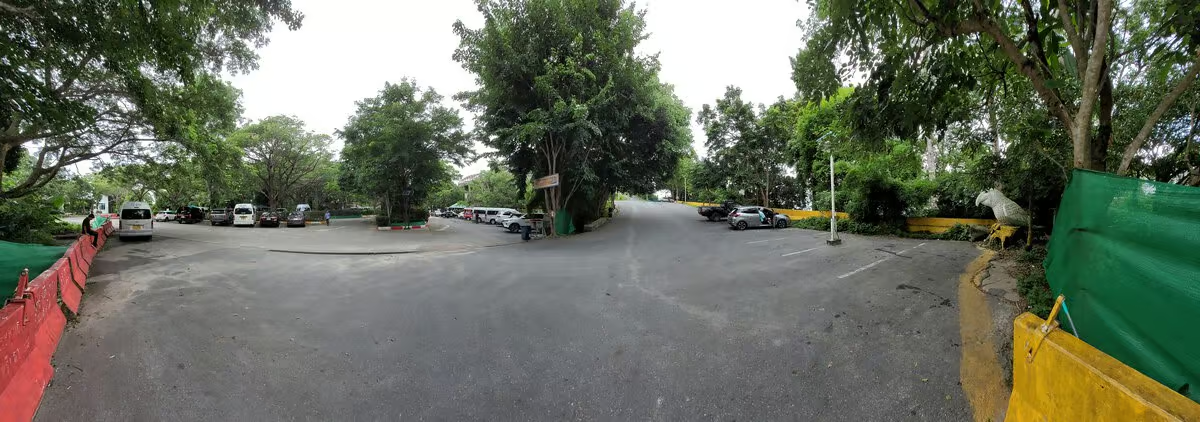
Free parking is available directly below the main viewing area forcars, scooters, and tour vehicles. During the high season, on weekends, and around sunset, parking spaces can fill up quickly due to the large number of visitors. Arriving early is recommended to secure a convenient parking spot.
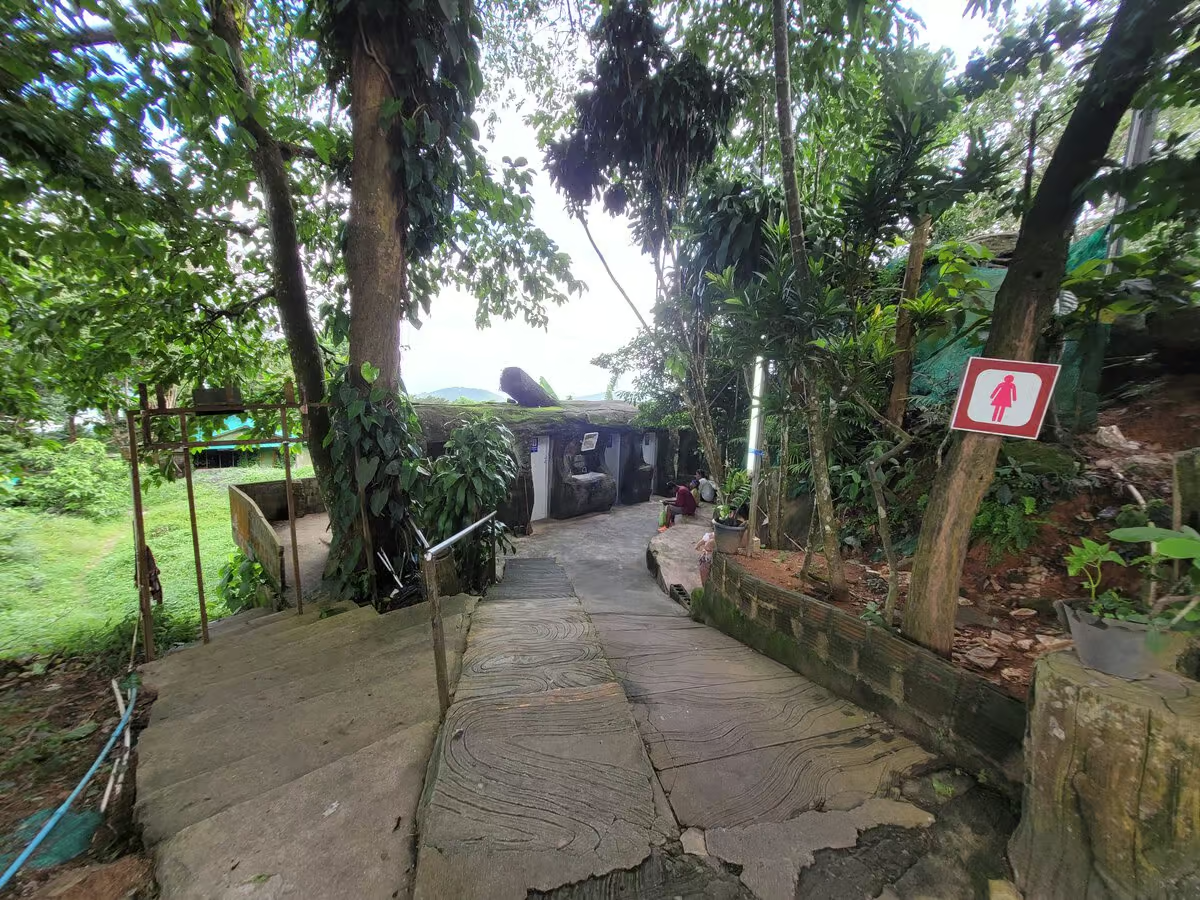
In addition to its breathtaking views and spiritual atmosphere, the Big Buddha Phuket also offers modern visitor facilities. Recently constructed restroom buildings provide clean and well-maintained sanitary facilities that blend naturally into the surrounding landscape.
Instead of conventional concrete structures, the facilities have been built using natural stone with green, moss-covered roofs. This environmentally sensitive design allows the buildings to harmonise with the tropical surroundings of Nakkerd Hill while preserving the peaceful character of the temple complex.
The Big Buddha Phuket offers modern, well-maintained restroom facilities conveniently located near the main visitor area. The recently constructed buildings have been thoughtfully designed to blend into the natural surroundings of Nakkerd Hill, combining visitor comfort with environmentally sensitive architecture.
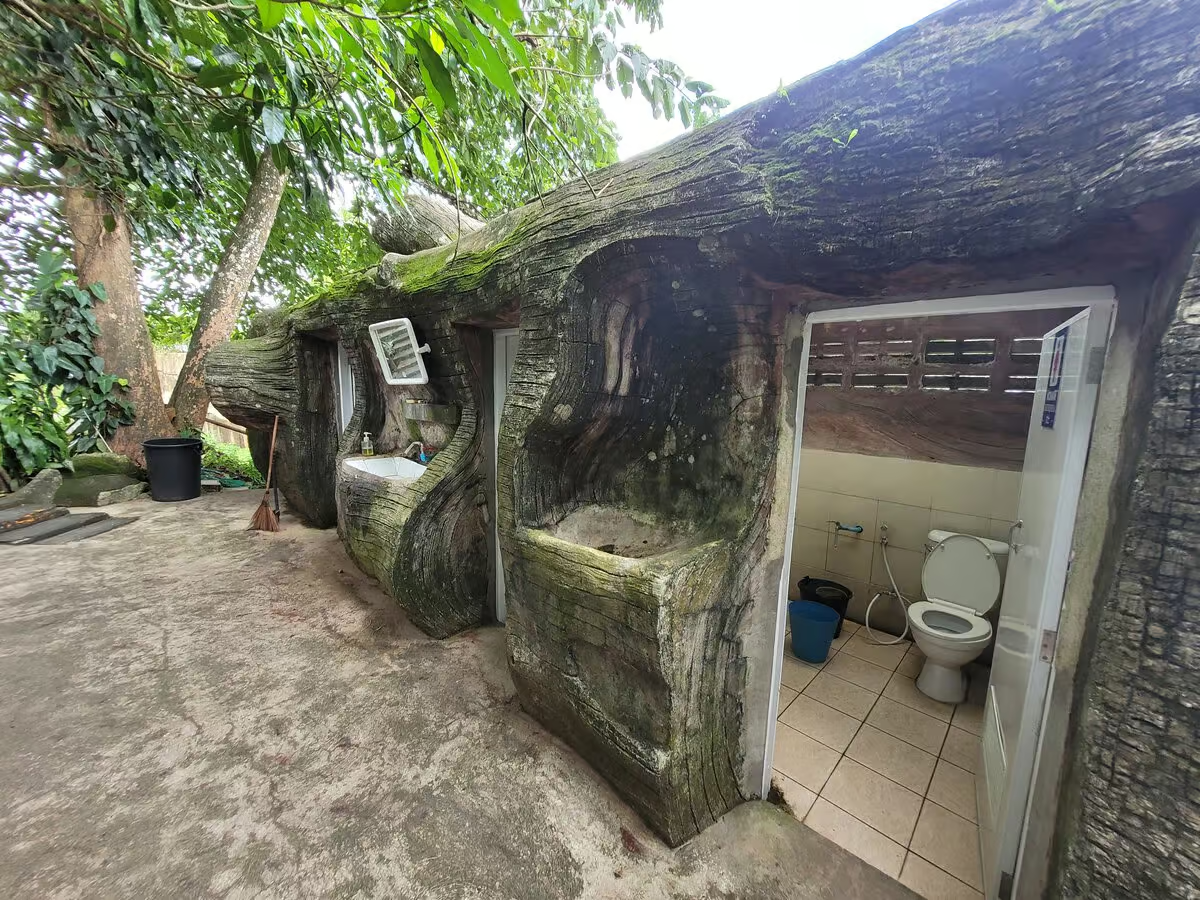
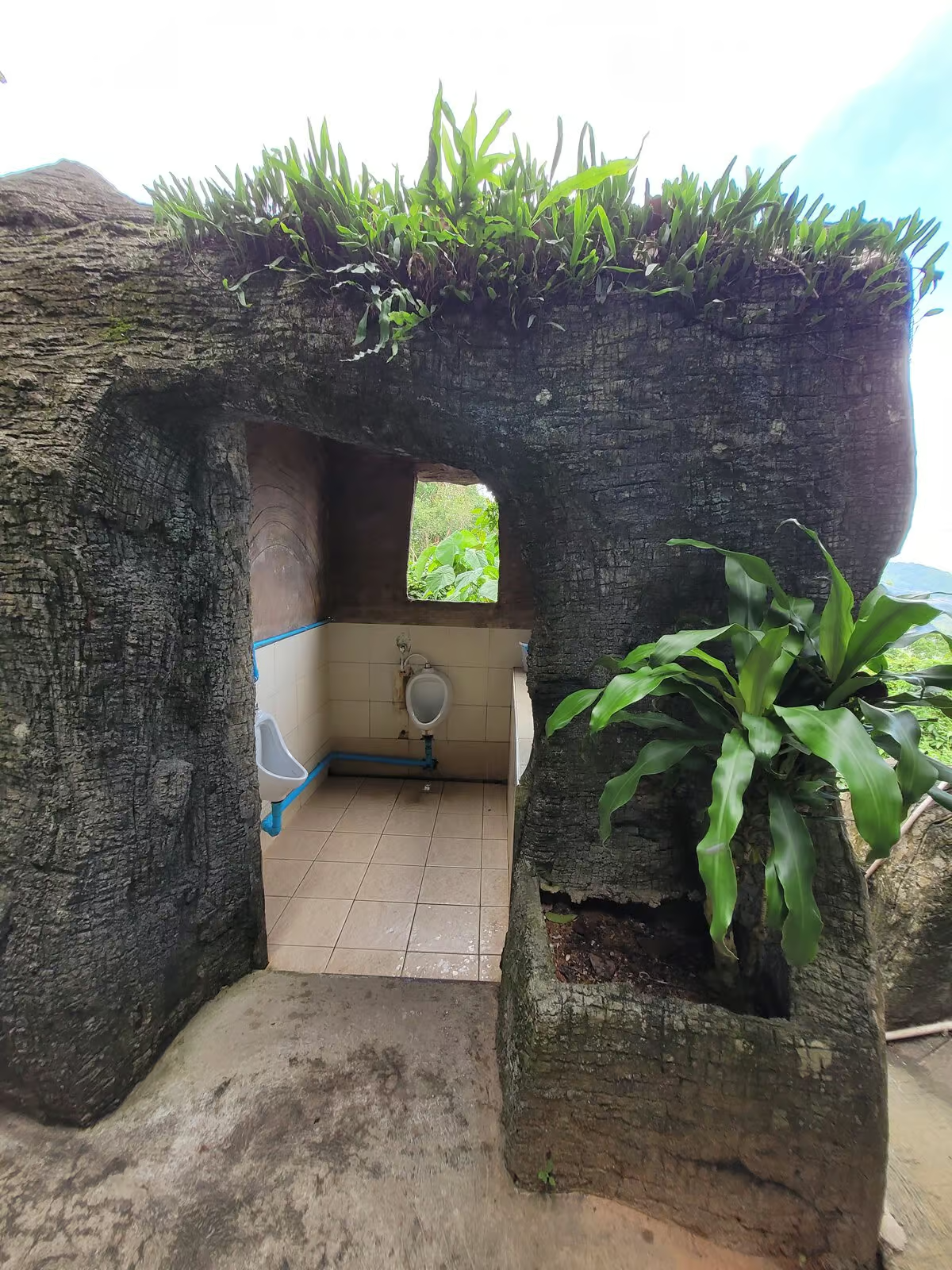
Built from natural stone and topped with vegetation-covered roofs, the restroom buildings complement the peaceful atmosphere of the temple complex. Outside, natural stone washbasins continue the same architectural style, creating a harmonious appearance that fits seamlessly into the tropical landscape.
Even the men’s open-air urinal has been carved from natural stone, reflecting the site’s commitment to combining practical visitor facilities with a design that respects the natural environment and the tranquil atmosphere of one of Phuket’s most iconic landmarks.
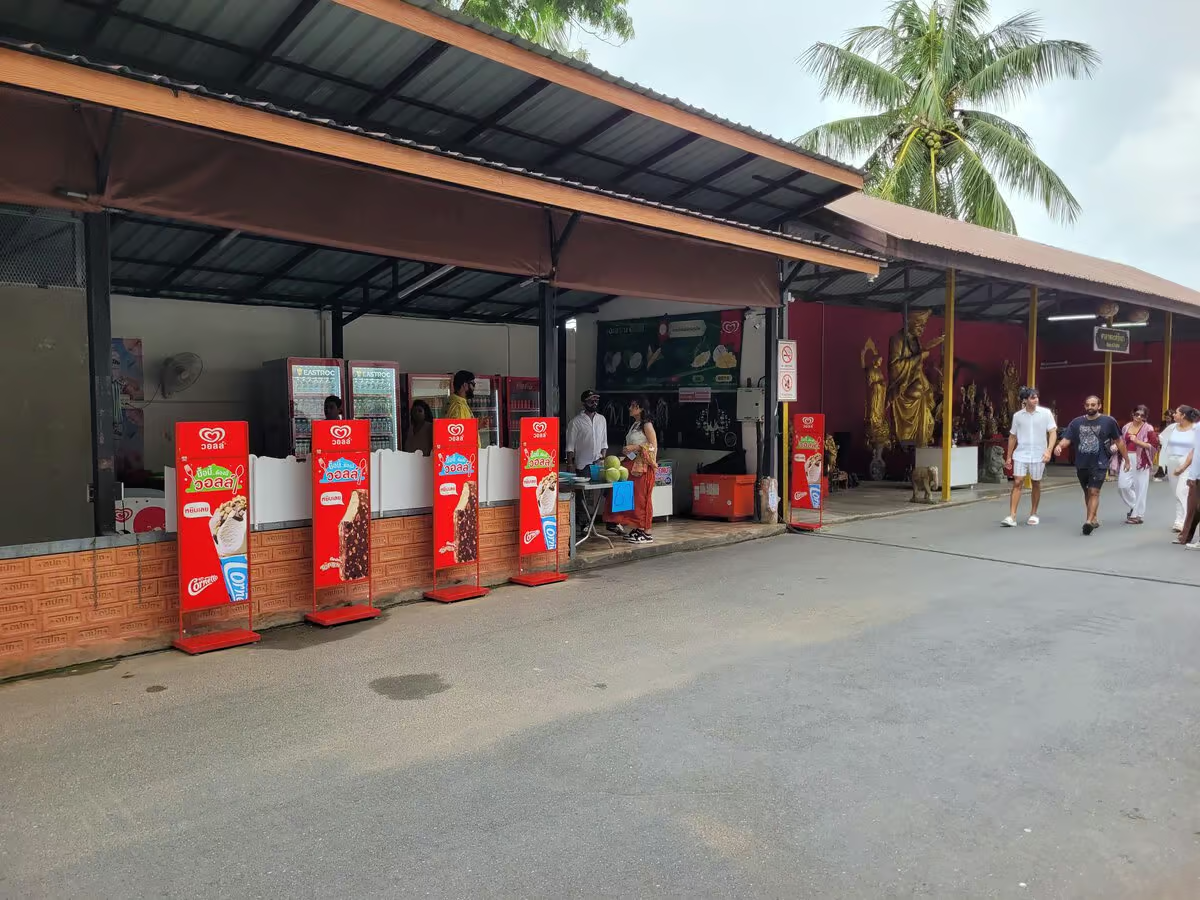
A small refreshment kiosk is located within the Big Buddha complex, offering bottled water, soft drinks, and ice cream for visitors. It’s a convenient place to cool down after walking around the temple grounds, especially on hot days.
Please note that the kiosk does not serve coffee, meals, or snacks. If you are planning a longer visit, it is advisable to have breakfast or bring light refreshments before arriving. Additional cafés and restaurants can be found in Chalong, Kata, and Karon.
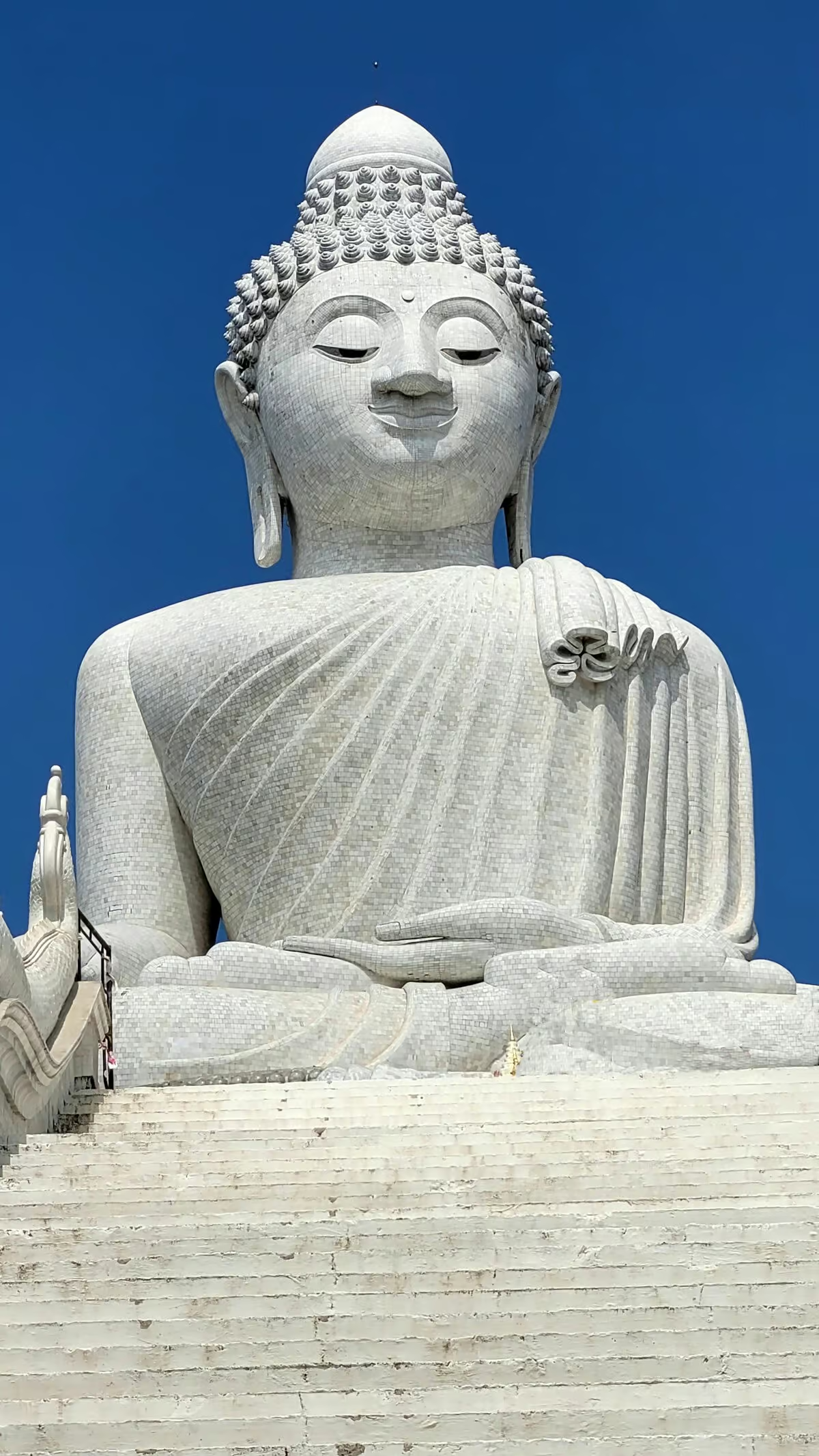
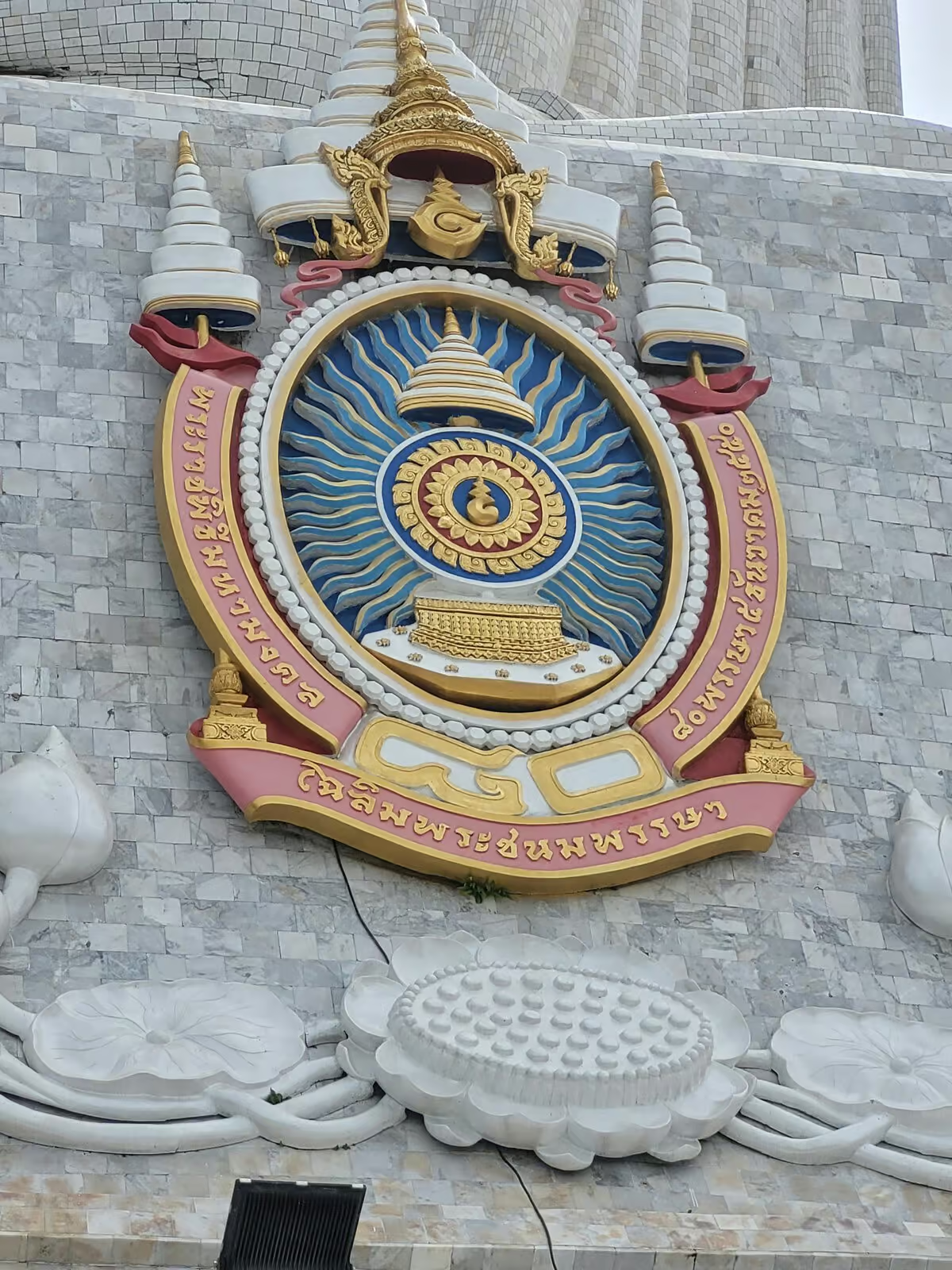
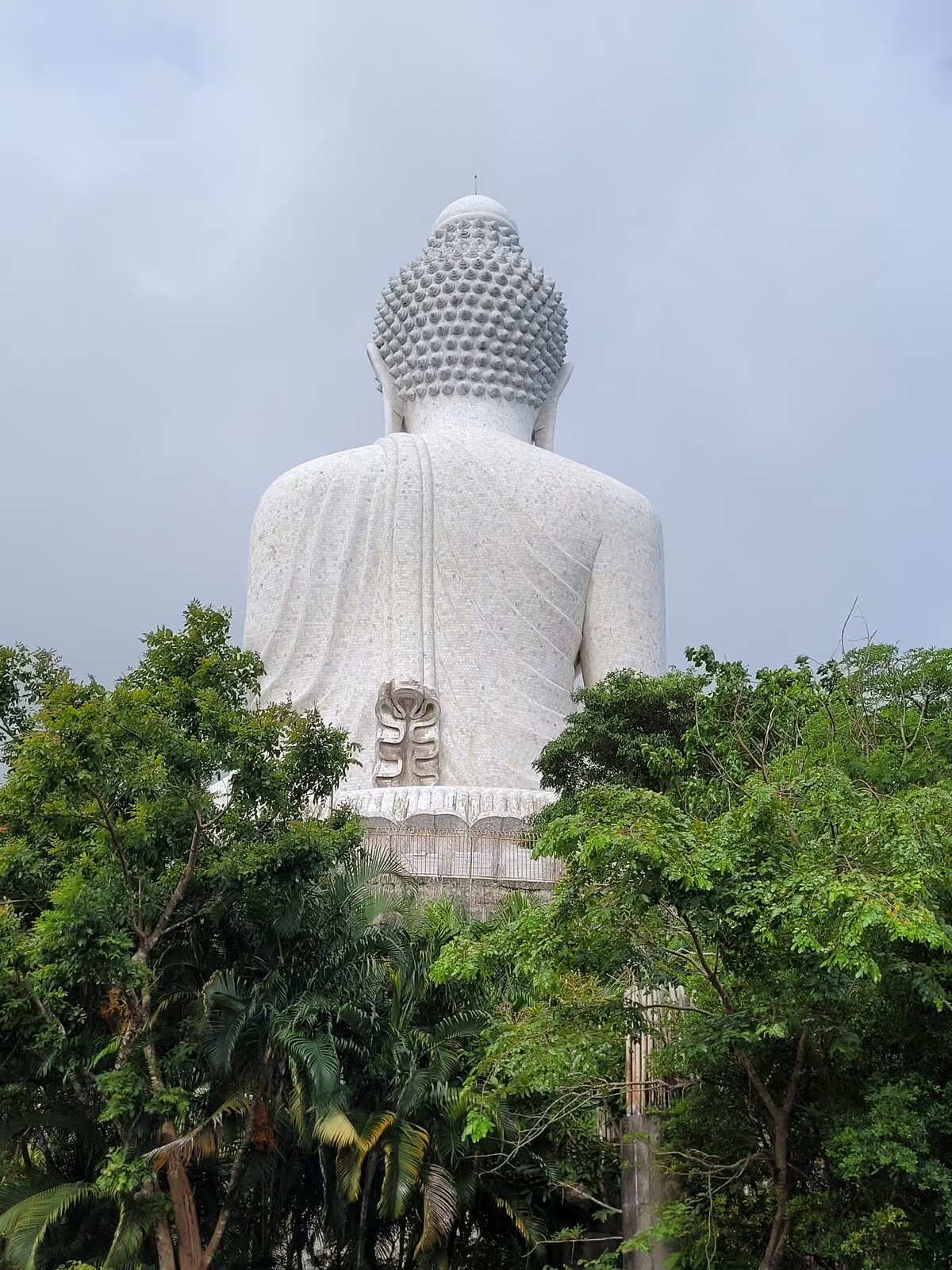
The idea for the Big Buddha Phuket was born in the early 2000s with the vision of creating a spiritual landmark that would overlook the island and provide a place for meditation, reflection, and Buddhist worship. Construction officially began in 2004 on the summit of Nakkerd Hill, one of Phuket’s highest and most scenic locations.
Unlike many famous landmarks, the Big Buddha was not financed by the government. Instead, the project has been built almost entirely through public donations from local residents, Thai visitors, and international travellers. Many visitors continue to contribute by sponsoring individual marble tiles that are carefully placed on the statue as part of the ongoing construction and maintenance.
The statue is constructed from reinforced concrete and covered with thousands of shimmering white Burmese marble tiles. Standing 45 metres (148 feet) tall and approximately 25 metres (82 feet) wide, it is one of the largest Buddha statues in Thailand and can be seen from many parts of southern Phuket.
Although the Big Buddha has become one of Phuket’s most popular tourist attractions, it remains an active religious site. Buddhist ceremonies, meditation, and merit-making continue to take place here, preserving the monument’s spiritual significance while welcoming visitors from around the world.
One of the main reasons visitors come to Big Buddha Phuket is the spectacular panoramic view. Perched approximately 400 metres (1,310 feet) above sea level on Nakkerd Hill, the viewpoint offers breathtaking 360-degree views across southern Phuket, the Andaman Sea, and the island’s tropical landscape.
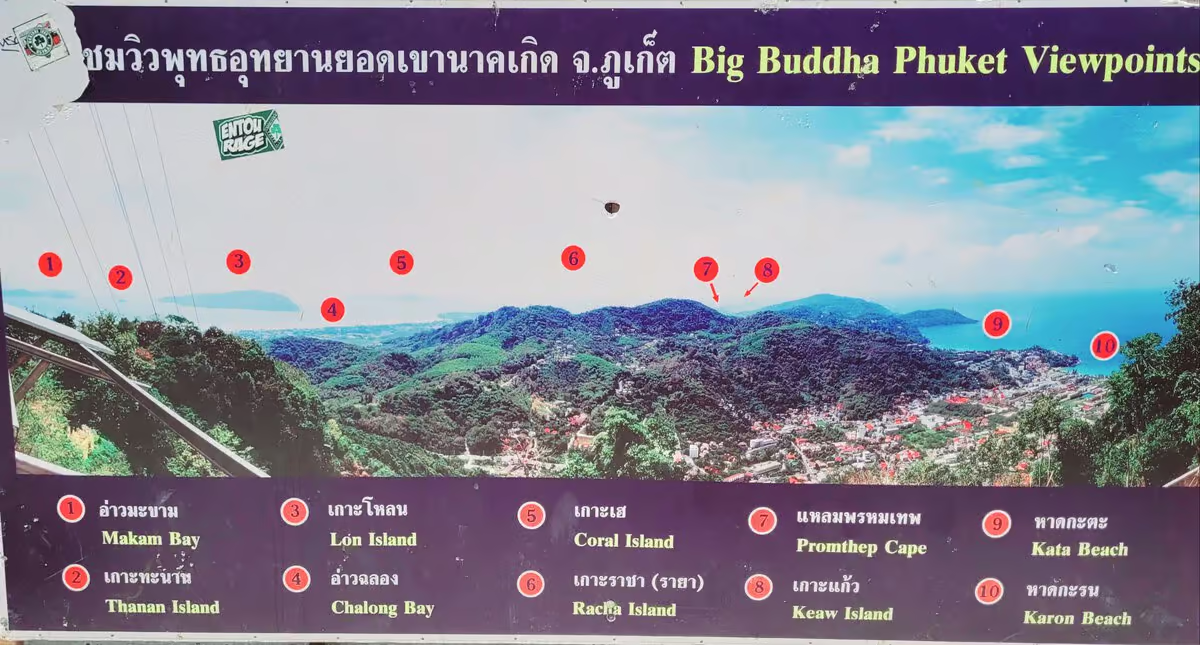
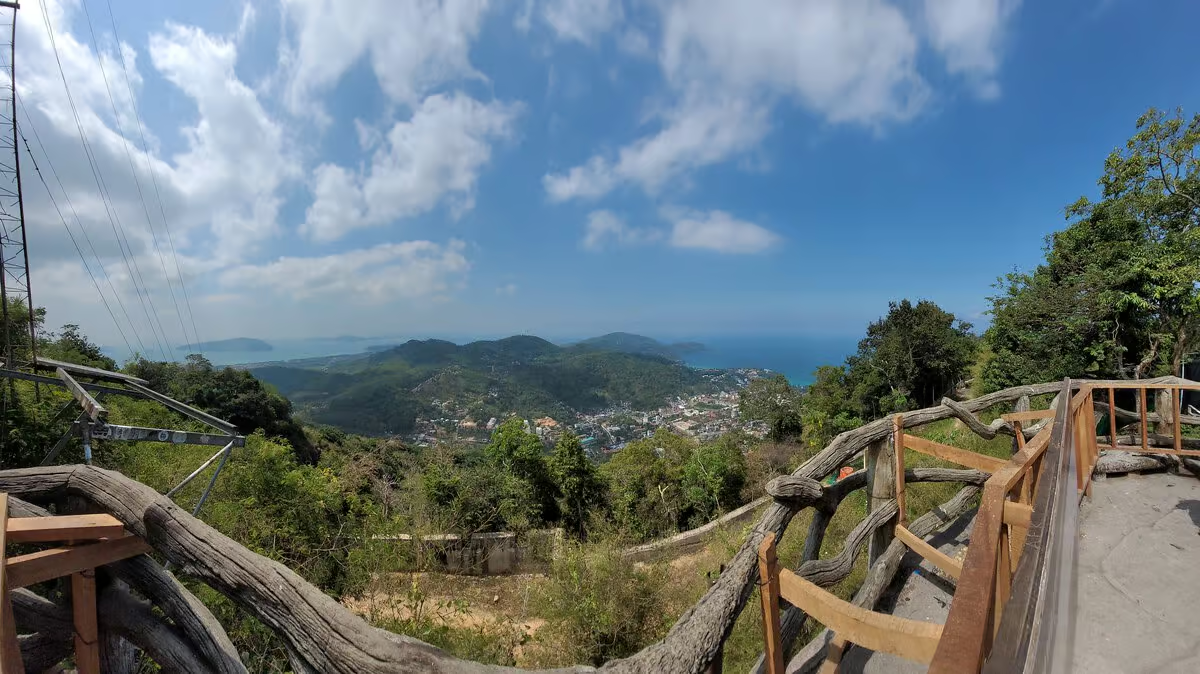
The scenery changes dramatically throughout the day. Early mornings provide crisp visibility, cooler temperatures, and soft natural light, making it an ideal time for photography. During the afternoon, the changing sunlight adds depth and contrast to the landscape, while the hours before sunset bathe the coastline in warm golden tones, creating one of Phuket’s most memorable panoramic experiences.
The Big Buddha Phuket is widely regarded as one of the best viewpoints in Phuket and is a must-visit destination for photographers, nature lovers, and anyone wanting to experience the island from above. If you enjoy spectacular scenery, don’t miss our guide to the best viewpoints in Phuket, where you’ll discover even more breathtaking panoramic locations across the island.
Early morning offers cooler temperatures, softer light, and a quieter atmosphere, making it an excellent time for sightseeing and photography. Late afternoon is also popular, with warm golden light creating spectacular views across Chalong Bay, Kata Beach, Karon Beach, and the surrounding mountains. Midday is typically the busiest and hottest time of the day.
Because Big Buddha Phuket is located approximately 400 metres (1,310 feet) above sea level on Nakkerd Hill, weather conditions can differ noticeably from those along Phuket’s beaches. Even when Patong, Kata, or Karon enjoy sunshine, the hilltop may experience clouds, light mist, or stronger winds. The higher elevation also provides a refreshing breeze, making temperatures feel more comfortable throughout much of the year.
During Phuket’s dry season (approximately November to April), visitors can usually expect sunny weather, excellent visibility, and some of the island’s best panoramic views. Throughout the rainy season (May to October), sunshine frequently alternates with short but heavy tropical showers. Although these showers rarely last long, they can temporarily reduce visibility.
As tropical weather can change quickly, it’s always a good idea to check the latest weather forecast before travelling to the Big Buddha.
The Big Buddha Phuket is generally accessible for visitors with limited mobility. A paved access road leads directly to the parking area, and from there, solid walkways provide access to the main viewing terrace and temple grounds.
However, the complex is not completely barrier-free. Some areas include steps, gentle slopes, or uneven surfaces. While wheelchair users and visitors using walking aids can usually access the main terrace, certain viewpoints and smaller sections of the complex are only reachable via stairs.
Families with pushchairs should be aware that some paths are moderately steep. Nevertheless, the Big Buddha is generally easier to visit than many other viewpoints across Phuket.
To fully experience the Big Buddha Phuket, we recommend allowing approximately 1.5 to 2 hours. This gives you plenty of time to admire the panoramic views, explore the temple complex, take photographs, and learn more about the history and significance of this iconic landmark.
Many visitors combine the Big Buddha with other popular attractions in southern Phuket. The most popular combinations include Wat Chalong, Phuket Old Town, or one of the island’s scenic viewpoints along the west coast.
The spectacular scenery around the Big Buddha Phuket makes it a popular location for aerial photography. However, Thailand has strict drone regulations, and additional restrictions may apply at religious sites and popular tourist attractions.
Do not fly a drone at the Big Buddha without explicit permission. Unauthorised drone flights may violate local regulations and can result in fines or other legal consequences.
If you plan to bring a drone to Thailand, make sure you understand the latest registration requirements, insurance regulations, and operational rules before travelling. Respect worshippers, avoid flying over crowds, and always follow instructions issued by local authorities or temple staff.
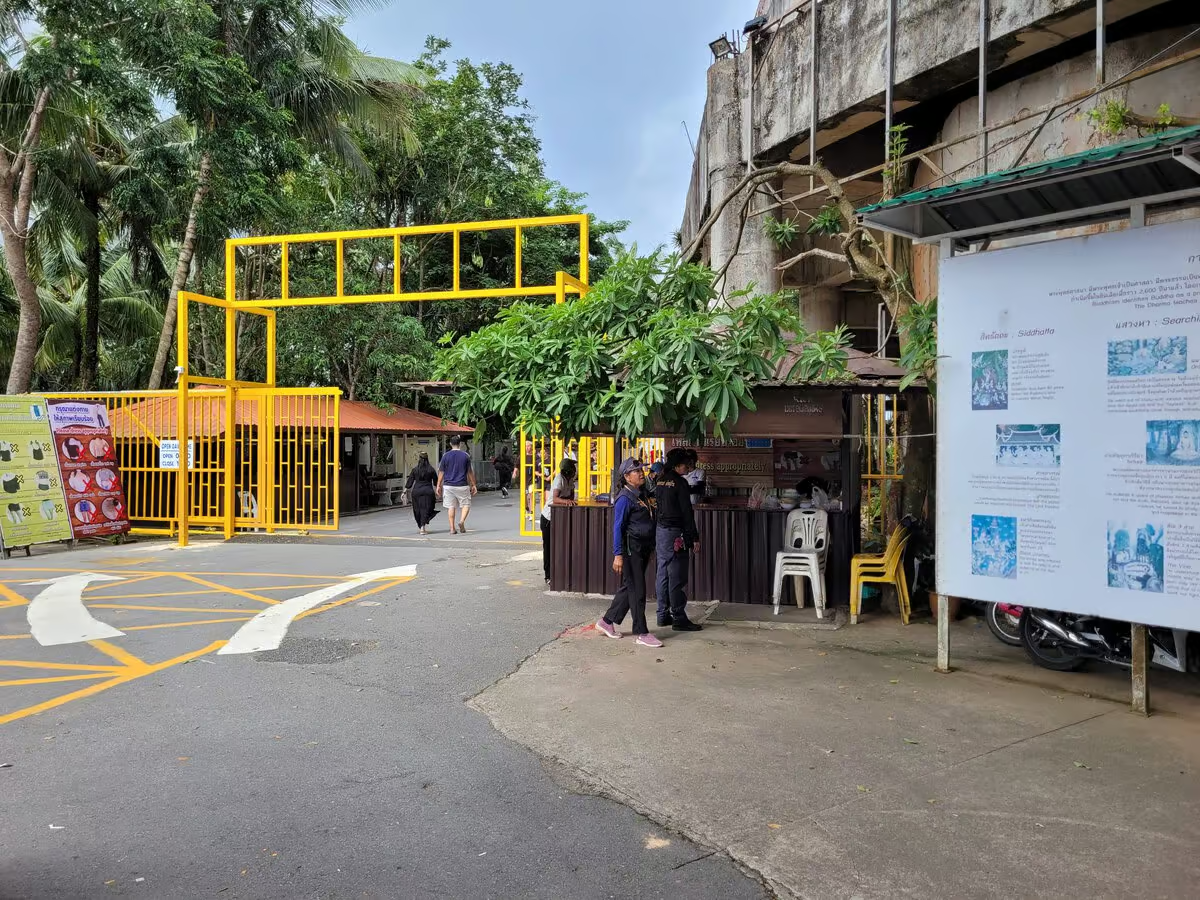
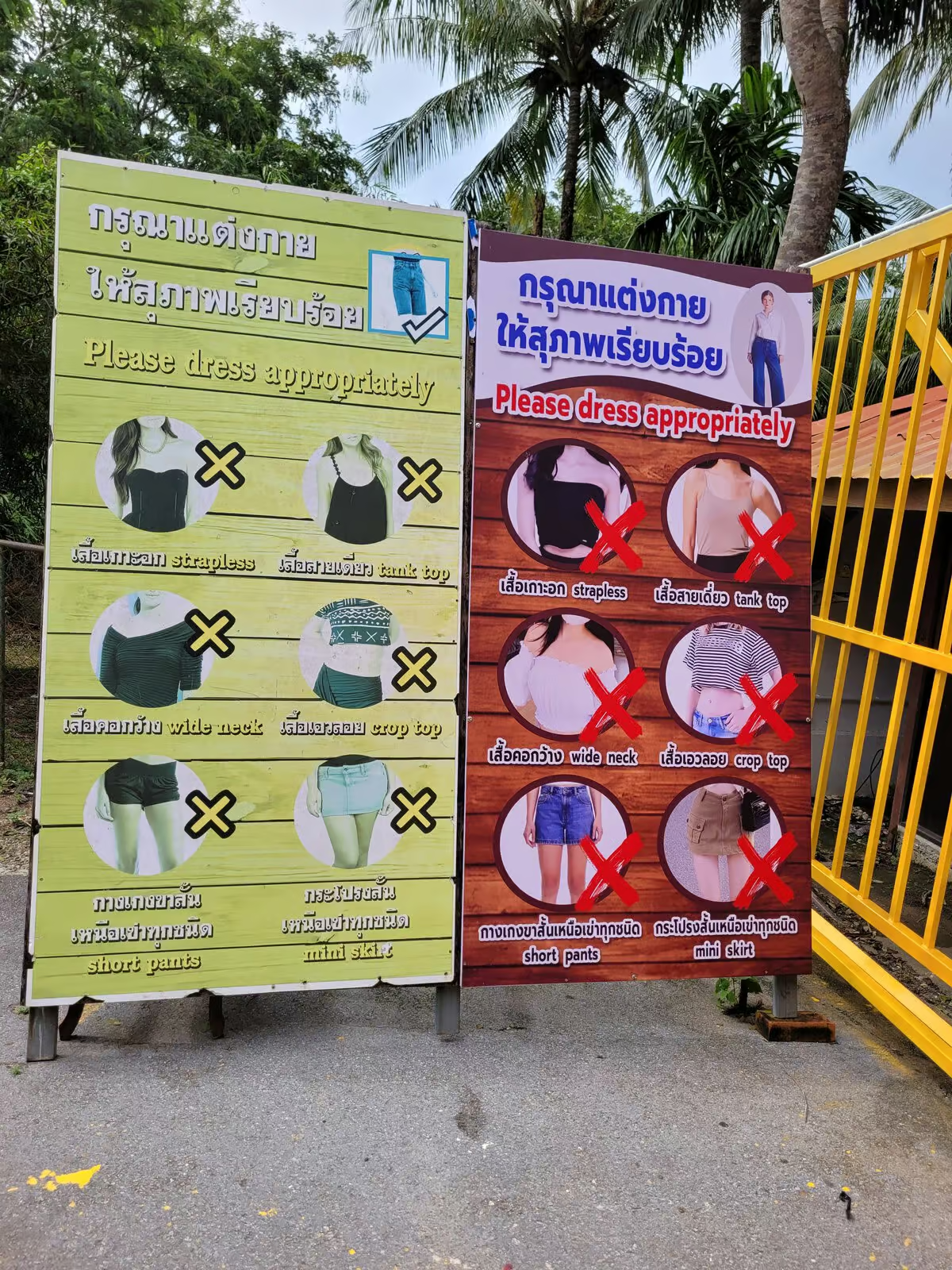
The Big Buddha is an active Buddhist temple, and respectful clothing is expected. Shoulders and knees should be covered. Visitors wearing revealing clothing may be asked to borrow or purchase a sarong beforeentering certain areas of the temple.
Beyond the impressive main statue, the Big Buddha Phuket offers several smaller attractions that are often overlooked by visitors. These peaceful areas provide a deeper insight into Buddhist traditions and the spiritual importance of this sacred site.
Exploring these areas allows visitors to experience the Big Buddha as more than just a scenic viewpoint. It remains an active place of worship where Buddhist traditions continue to be practised every day.
The area surrounding Nakkerd Hill is also popular for ATV adventures in Phuket, many of which include a stop at the Big Buddha as part of their itinerary.
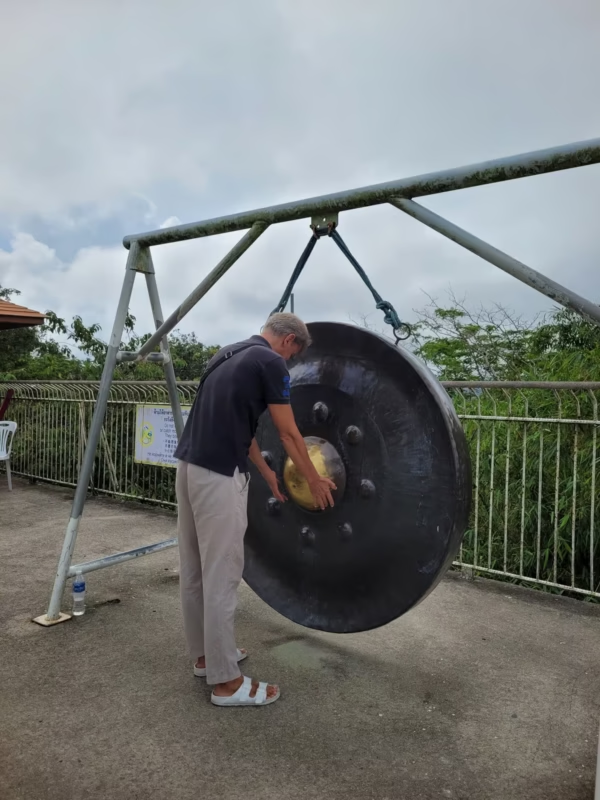
One of the most fascinating experiences at the Big Buddha is the famous Magic Gong. By gently rubbing the surface of the bronze gong with the palms of your hands in a circular motion, it begins to resonate with a deep, powerful sound.
According to Thai Buddhist belief, the gong responds most easily to those with a calm mind and a pure heart. Whether or not you believe the legend, many visitors are amazed by the rich vibrations and the peaceful atmosphere surrounding this unique tradition.
Visitors are welcome to participate in a free guided meditation session lasting approximately seven minutes. Suitable for beginners as well as experienced practitioners, the session introduces the basic principles of Buddhist mindfulness and meditation.
For many guests, this quiet moment of reflection becomes one of the most memorable and meaningful parts of their visit to the Big Buddha Phuket.
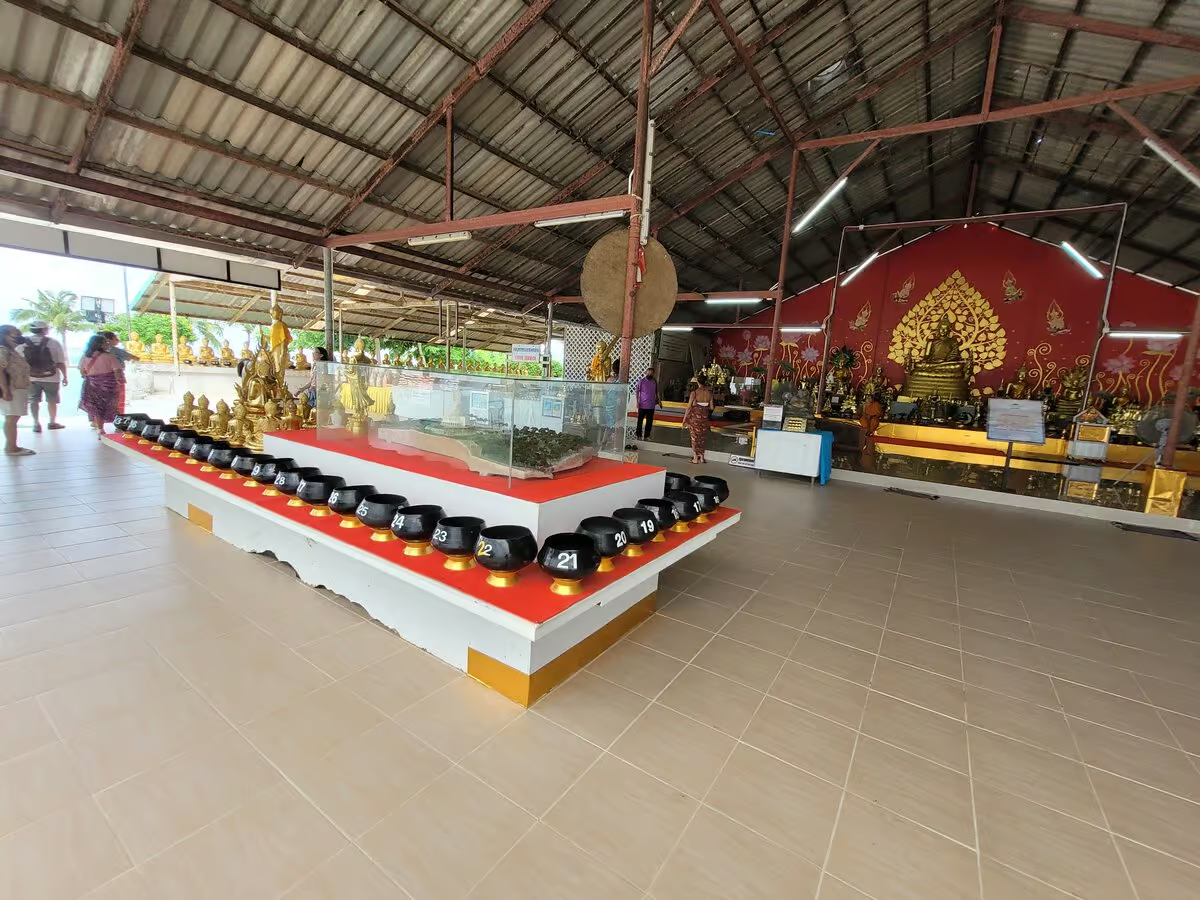
Within the temple grounds, visitors have the opportunity to make a small offering to the resident monks. Prepared donation packages containing everyday necessities such as rice, soap, detergent, or other essential items are usually available for approximately 50–200 Thai Baht.
After making an offering, visitors often receive a traditional Buddhist blessing and may have the opportunity to speak with a monk about Buddhist teachings, Thai culture, and the spiritual significance of the Big Buddha temple.
While Wat Chalong is Phuket’s most important Buddhist temple, the Big Buddha Phuket combines spiritual significance with one of the island’s most spectacular panoramic viewpoints. Wat Chalong offers a traditional temple experience, whereas the Big Buddha provides breathtaking mountain scenery together with a peaceful atmosphere for reflection.
Compared with Promthep Cape, the Big Buddha offers a higher elevation and a much broader view across southern Phuket, including Chalong Bay, Kata Beach, Karon Beach, and the Andaman Sea.
Many travellers combine the Big Buddha, Wat Chalong, and Phuket Old Town in a single day, creating one of the most popular sightseeing routes on the island.
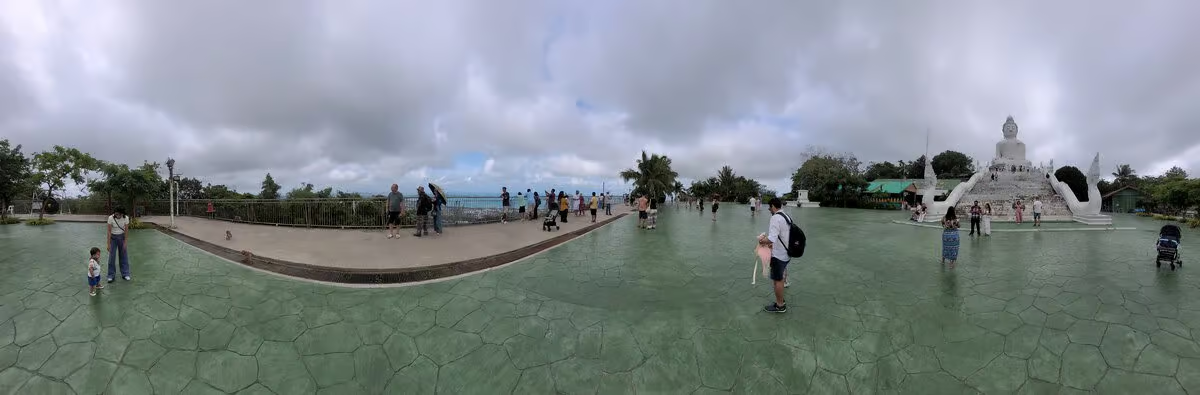
One of the main reasons visitors come to the Big Buddha Phuket is the breathtaking panoramic view. Thanks to its elevated position on Nakkerd Hill, approximately 400 metres above sea level, the viewpoint offers some of the most impressive scenery anywhere on the island.
On clear days, visitors can enjoy sweeping views across southern Phuket, the Andaman Sea, and the island’s mountainous interior. The combination of tropical landscapes, white-sand beaches, offshore islands, and sparkling turquoise waters makes this one of the most photographed locations in Phuket.
The scenery changes dramatically throughout the day. Early mornings often provide the clearest visibility and soft natural light, while the late afternoon creates stronger contrasts and warmer colours. Just before sunset, the landscape takes on a particularly dramatic appearance, making it a favourite time for photographers.
The Big Buddha is widely regarded as one of the best viewpoints in Phuket. Travellers looking for more spectacular island panoramas should also explore Phuket’s other scenic viewpoints, each offering a unique perspective of the Andaman coastline.
The Big Buddha Phuket is far more than a famous landmark. It combines breathtaking panoramic views, Buddhist spirituality, Thai culture, and one of the island’s most peaceful settings in a single destination.
Whether you come for the spectacular scenery, the impressive white marble statue, the spiritual atmosphere, or simply to experience one of Phuket’s most iconic attractions, the Big Buddha offers an unforgettable experience for visitors of every age.
If you truly want to discover the heart of Phuket, the Big Buddha should be at the top of your itinerary. Few places on the island capture Phuket’s natural beauty, cultural heritage, and spiritual traditions quite as impressively.