
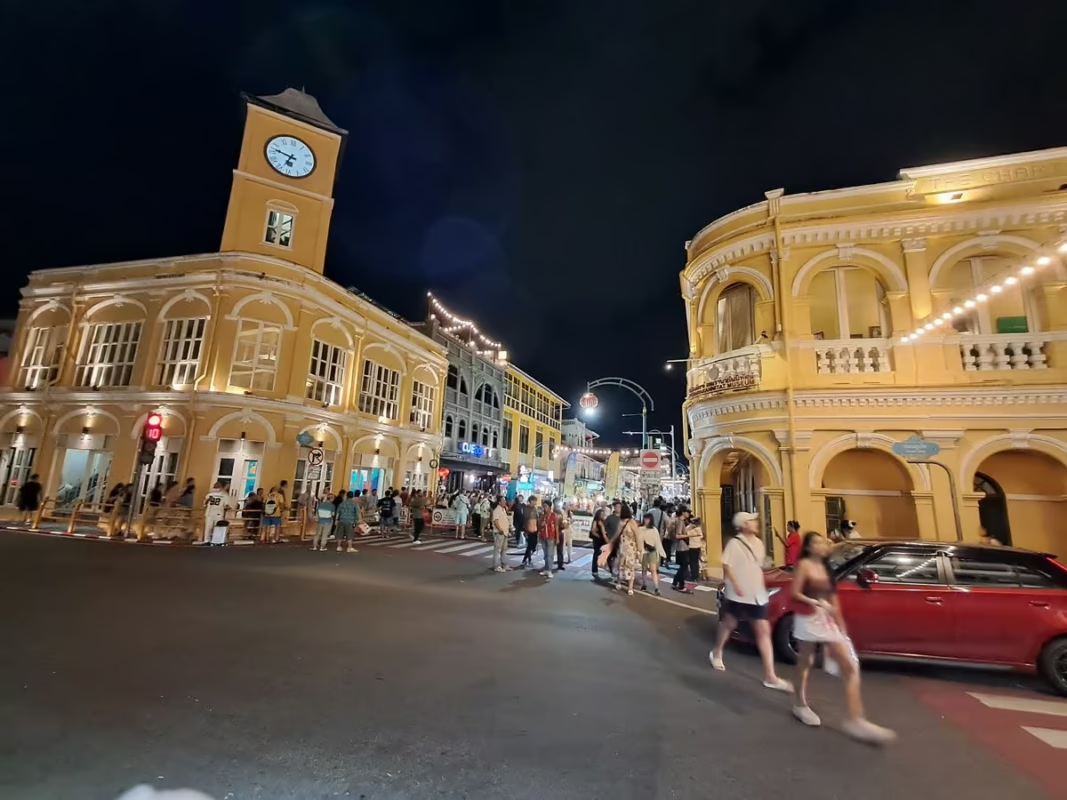
Phuket Old Town is the historic center of Phuket Town and one of Thailand’s most fascinating heritage districts. Colorful Sino-Portuguese buildings, charming cafés, impressive street art, local markets and beautifully restored shophouses make the old quarter one of the island’s most rewarding places to explore.
Unlike Phuket’s famous west coast beaches, the atmosphere here is defined by history, architecture and local life rather than resorts and nightlife. Walking through the narrow streets reveals a different side of the island, where Chinese heritage, European influences and traditional Thai culture have blended together for more than a century.
The district developed during Phuket’s tin mining boom in the 19th century, when the island became one of Southeast Asia’s most important trading centers. Chinese immigrants, European merchants and local Thai communities all contributed to the unique character that still defines Phuket Old Town today. The result is an architectural and cultural heritage unlike anywhere else in Thailand.
During our visits, we usually arrive early in the morning. The streets are still quiet, cafés begin opening their doors and the soft morning light beautifully highlights the pastel-colored façades. For photography and relaxed sightseeing, this is easily our favorite time to explore the old town before temperatures and visitor numbers increase later in the day.
Today, Phuket Old Town attracts visitors from around the world who come to experience its rich history, outstanding local cuisine, boutique shops and authentic atmosphere. Whether you are interested in architecture, photography, culture or simply discovering a different side of Phuket, the old town offers far more than most visitors expect.
| Recommended Visit | 4 – 6 hours (half to full day, incl. café visits, street art & museums) |
|---|---|
| Admission | Free (Public streets are accessible 24 hours a day) |
| Best Time of Day | Early morning (from 8:30 AM) or late afternoon (from 4:00 PM) – avoids midday heat & offers soft lighting for photography |
| Best Season | November to April (Dry season) – accessible year-round thanks to covered pedestrian arcades |
| Opening Hours | Streets open 24/7; Shops & cafés approx. 9:00 AM – 7:00 PM (Museums mostly closed on Mondays) |
| Sunday Walking Street Market | Every Sunday, 4:00 PM – 10:00 PM (Thalang Road transforms into the “Lard Yai” pedestrian night market) |
| Accessibility & Families | Suitable for families & seniors (flat sidewalks; mind occasional high curbs) |
| Parking & Restrooms | Free parking near temples/side streets; public restrooms available in museums, cafés, and shopping centers |
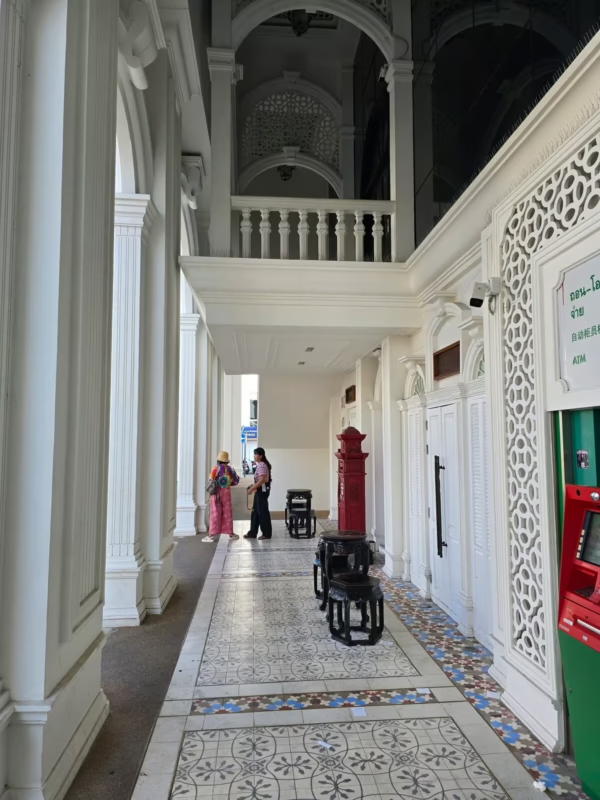
The history of Phuket is closely linked to the tin mining industry. During the 19th and early 20th centuries, the island became one of Southeast Asia’s leading tin producers, attracting merchants, investors and thousands of workers from across the region. This period of rapid economic growth transformed Phuket from a small coastal settlement into an important international trading hub.
Most immigrants arrived from China’s Fujian Province. Many came to work in the tin mines, while others established trading companies, shops and family businesses. Their traditions, language, religion and customs gradually became part of everyday life and continue to influence Phuket’s culture today.
European architectural influences, introduced through regional trade networks and later strengthened by British commercial activity, blended with Chinese building traditions to create the distinctive Sino-Portuguese architecture that defines Phuket Old Town today.
Today, these beautifully restored buildings tell the story of Phuket’s remarkable transformation from a prosperous mining town into one of Thailand’s most important cultural destinations. Walking through the historic streets offers far more than attractive photo opportunities—it provides a glimpse into the island’s economic and cultural foundations.
One detail we particularly appreciate is that many original buildings still serve practical purposes. Instead of becoming an open-air museum, numerous former merchant houses now accommodate cafés, boutique hotels, galleries and family-run businesses. This creates an authentic atmosphere where history remains part of everyday local life rather than simply being preserved behind museum walls.
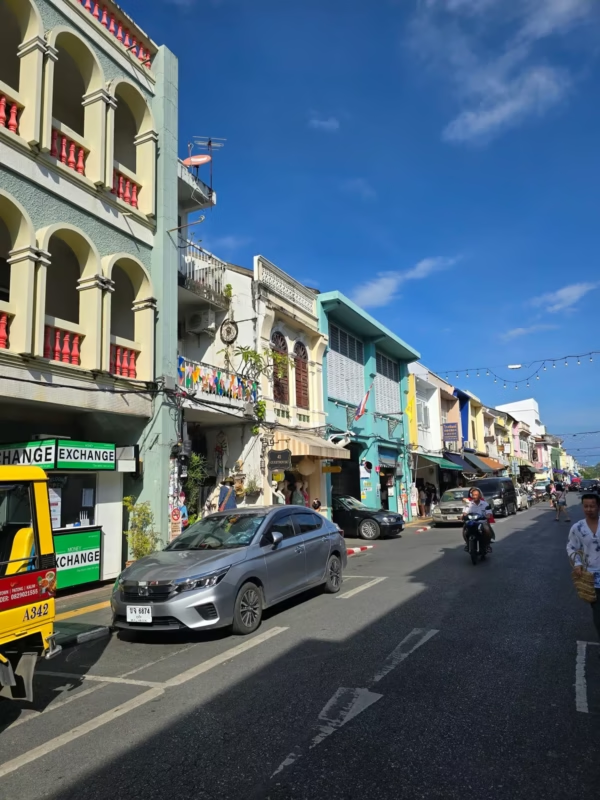
The history of Phuket is closely linked to the tin mining industry. During the 19th and early 20th centuries, the island became one of Southeast Asia’s leading tin producers, attracting merchants, investors and thousands of workers from across the region. This period of rapid economic growth transformed Phuket from a small coastal settlement into an important international trading hub.
Most immigrants arrived from China’s Fujian Province. Many came to work in the tin mines, while others established trading companies, shops and family businesses. Their traditions, language, religion and customs gradually became part of everyday life and continue to influence Phuket’s culture today.
European architectural influences, introduced through regional trade networks and later strengthened by British commercial activity, blended with Chinese building traditions to create the distinctive Sino-Portuguese architecture that defines Phuket Old Town today.
Today, these beautifully restored buildings tell the story of Phuket’s remarkable transformation from a prosperous mining town into one of Thailand’s most important cultural destinations. Walking through the historic streets offers far more than attractive photo opportunities—it provides a glimpse into the island’s economic and cultural foundations.
One detail we particularly appreciate is that many original buildings still serve practical purposes. Instead of becoming an open-air museum, numerous former merchant houses now accommodate cafés, boutique hotels, galleries and family-run businesses. This creates an authentic atmosphere where history remains part of everyday local life rather than simply being preserved behind museum walls.
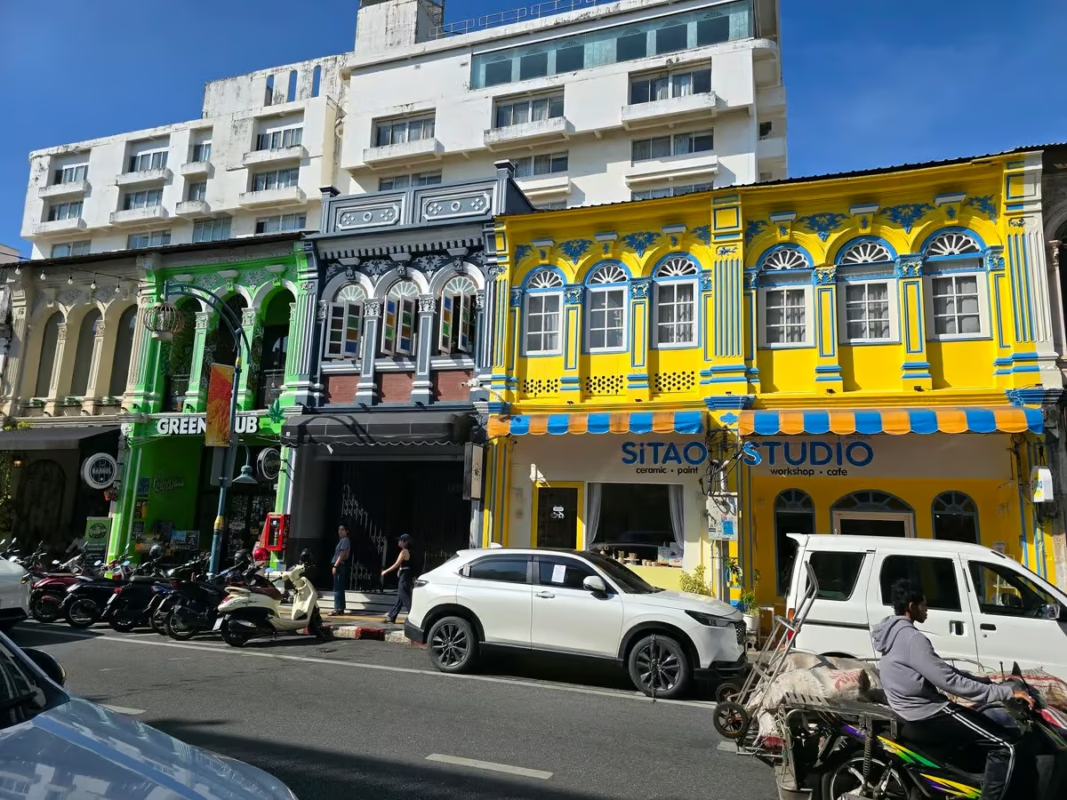
One of the first things visitors notice is the remarkable architecture that lines the streets of Phuket Old Town. The elegant shophouses combine Chinese craftsmanship with European colonial influences, creating a style found in only a handful of historic trading ports across Southeast Asia.
Most buildings are long and narrow, with covered arcades at street level and living quarters above. Interior courtyards provide natural ventilation, while high ceilings help reduce indoor temperatures in Phuket’s tropical climate. Decorative arches, pastel-colored façades, ornate stucco details and traditional wooden shutters give every street its distinctive appearance.
Although many buildings have been carefully restored, the district has retained much of its original character. Former trading houses now accommodate boutique cafés, restaurants, galleries, small museums and independent shops, allowing visitors to experience historic architecture in a vibrant, living neighborhood.
Unlike many restored heritage districts elsewhere in Asia, Phuket Old Town has avoided becoming overly commercialized. Local residents still live and work here, giving the area an authenticity that many travelers immediately notice.
From our experience, the architectural details are easiest to appreciate early in the morning or during the final two hours before sunset. At midday, the tropical sun creates strong shadows, whereas the softer light later in the day highlights the pastel façades and decorative features beautifully.
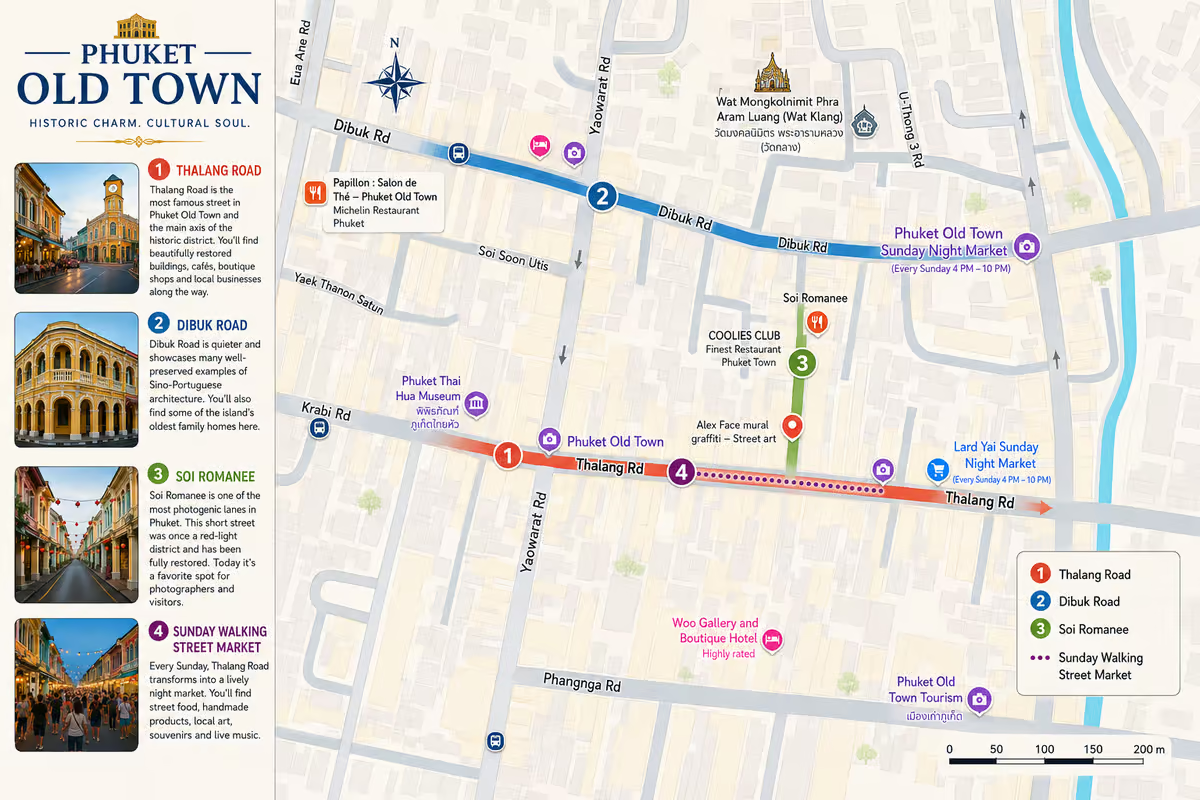
| Street | Character & Architecture | Top Highlights | Best Photo Spots |
|---|---|---|---|
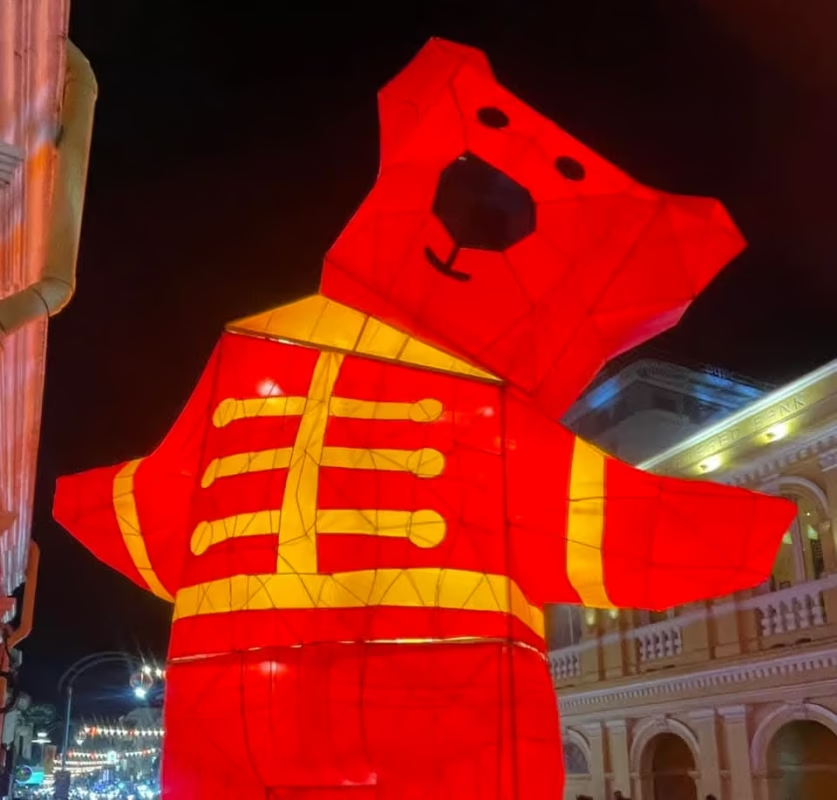
| Thalang Road | The cultural heart of Old Town; continuous Sino-Portuguese shophouses with arcades | Sunday Walking Street Market, traditional herbal pharmacies, textile boutiques | Giant bear sculpture, arcade walkways, illuminated evening facades |
| Soi Romanee | Phuket’s most photogenic alley; former red-light district, now pastel-colored cafés | Colorful house facades (pink, yellow, turquoise), specialty coffee bars | Alleyway perspective with historic colonial architecture |
| Dibuk Road | Broad avenue featuring grand mansions of the tin mining era | Luang Amnart Nararak Mansion, traditional Thai bakeries | Bridge to Dibuk Road & yellow Charter Bank building |
| Krabi Road | Elegant colonial buildings, cultural quarter and museums | Thai Hua Museum, Blue Elephant Restaurant (Governor’s Mansion) | Historic entrance of Thai Hua Museum |
| Phang Nga Road | Authentic daily life, Chinese shrines & historic commercial buildings | Shrine of the Serene Light, historic Kasikorn Bank, Charter Bank Museum | Kasikorn Bank facade & “Illuminated Lobster” street art |
Unlike many historic towns built around a single square, Phuket Old Town is made up of several interconnected streets, each with its own atmosphere, history and architectural character. Together they form the island’s cultural heart, where beautifully restored shophouses, local cafés, museums, boutique hotels and colorful street art create one of Thailand’s most enjoyable walking districts.
Although the entire historic center can easily be explored on foot, every street offers a different experience. Some are lively and full of cafés, while others remain surprisingly quiet despite being only a few minutes apart. Taking time to wander beyond the busiest streets is often rewarded with unexpected architectural details and hidden local businesses.
From our experience, many first-time visitors spend almost all their time on Thalang Road. While it certainly deserves its popularity, the quieter neighboring streets often reveal the most authentic side of Phuket Old Town and are considerably less crowded.
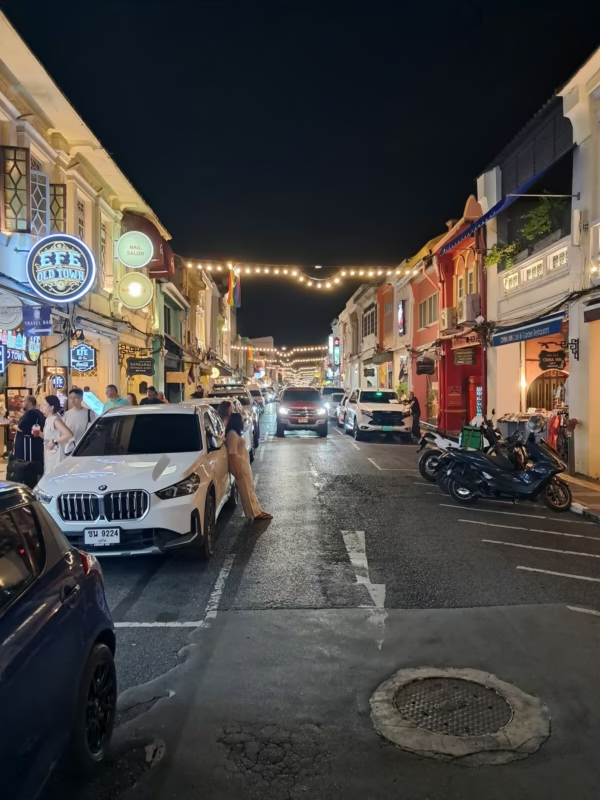
Thalang Road is the best-known street in Phuket Old Town and the center of most visitors’ walking tour. Beautifully restored Sino-Portuguese shophouses line both sides of the street, housing cafés, restaurants, art galleries, boutique stores and small local businesses. Its colorful façades have become one of Phuket’s most recognizable landmarks.
Every Sunday evening, Thalang Road transforms into the famous Sunday Walking Street Market. Hundreds of vendors fill the street with local food, handmade crafts, live music and regional products, creating one of the island’s most vibrant cultural events.
During weekday mornings, however, the atmosphere is completely different. Before most shops open, the street is remarkably peaceful, making it an excellent time for photography and leisurely sightseeing.
Running parallel to Thalang Road, Dibuk Road offers a quieter atmosphere while preserving many of Phuket’s finest historic buildings. Wealthy tin merchants once built impressive homes and trading houses here, many of which remain exceptionally well preserved today.
The street’s name reflects its historical importance. “Dibuk” (ดีบุก) is the Thai word for tin, commemorating the industry that transformed Phuket into one of Southeast Asia’s leading trading centers during the nineteenth century.
Among the most recognizable landmarks are the former Charter Bank building and the Phuket Thai Hua Museum, both of which illustrate the wealth and international connections that shaped the island’s development.
Compared with Thalang Road, Dibuk Road generally feels less crowded throughout the day. Visitors interested in architecture often find it one of the most rewarding streets in the historic district.
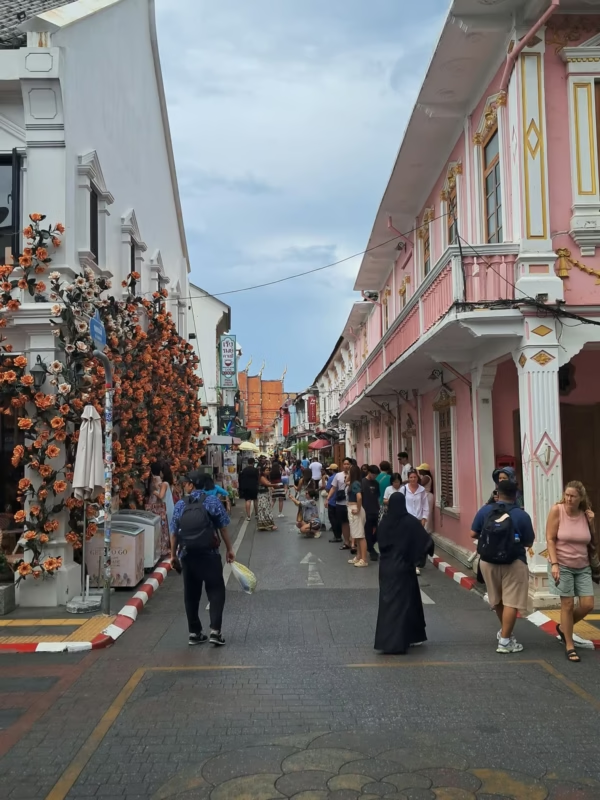
Soi Romanee is one of the shortest streets in Phuket Old Town, yet it has become one of the island’s best-known photography locations. Connecting Thalang Road with Dibuk Road, this colorful lane is lined with restored heritage buildings, boutique cafés and small guesthouses.
Few visitors realize that Soi Romanee has a remarkably different past. During the early twentieth century, the street was known as Phuket Town’s red-light district. Following extensive restoration projects, it evolved into one of the city’s most attractive heritage streets and now symbolizes the successful preservation of Phuket’s architectural history.
Today, the brightly painted façades, decorative balconies and charming cafés attract photographers throughout the day. Nevertheless, the atmosphere remains surprisingly relaxed outside peak hours.
Krabi Road is noticeably quieter than the central tourist streets, making it an excellent choice for visitors who appreciate historic architecture without large crowds. The road is home to beautifully restored mansions, colonial residences and impressive examples of traditional Sino-Portuguese design.
One of its best-known landmarks is the former Governor’s Mansion, while numerous heritage buildings along the street illustrate the prosperity created by Phuket’s tin mining industry.
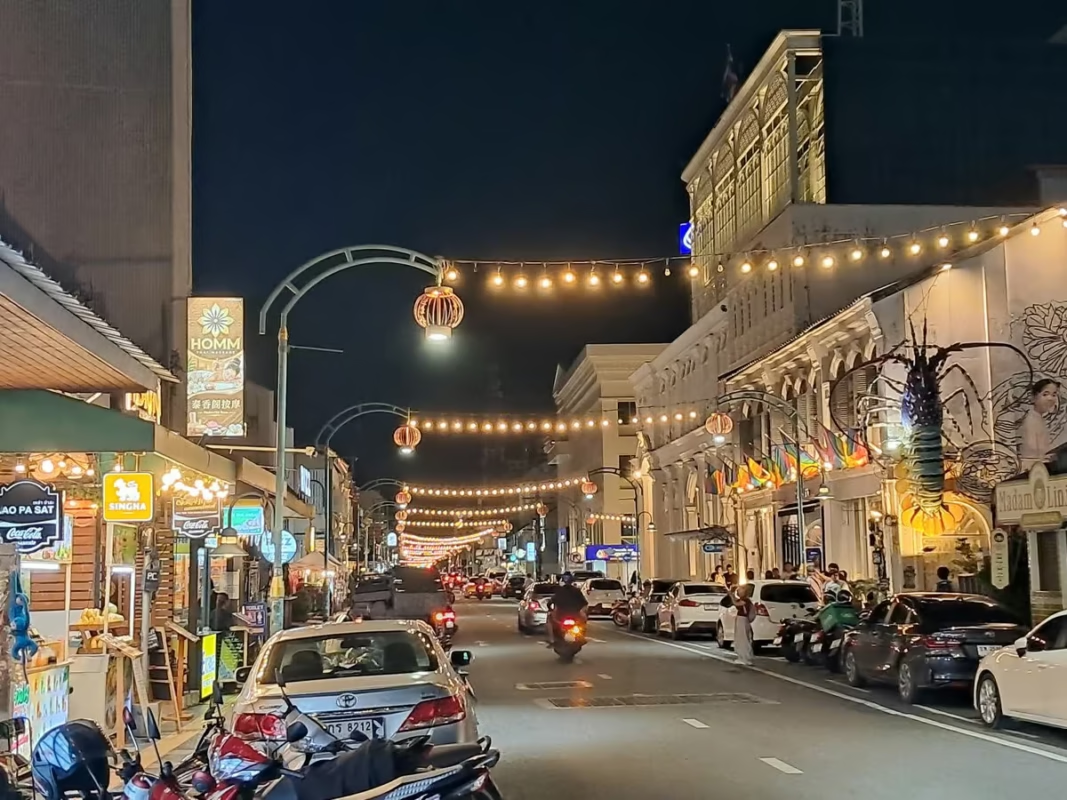
Phang Nga Road connects several important historical landmarks while offering a more authentic glimpse into everyday life in Phuket Town. Traditional restaurants, historic shop houses and Chinese shrines line the street, reflecting the multicultural heritage that shaped the island.
Among its most famous landmarks is the historic On On Hotel, Thailand’s oldest continuously operating hotel and a recognizable location for many international travelers. The street also provides convenient access to the city’s historic clock tower and several important Chinese temples.
Unlike the more tourist-oriented streets nearby, Phang Nga Road still functions as an active commercial area where local businesses continue to operate alongside historic buildings.
After exploring the historic streets of Phuket Old Town, a visit to Wat Chalong Phuket, the island’s most important Buddhist temple, is highly recommended. Located just a short drive from the old town, it is one of Phuket’s most significant cultural and spiritual landmarks and an ideal addition to your sightseeing itinerary.
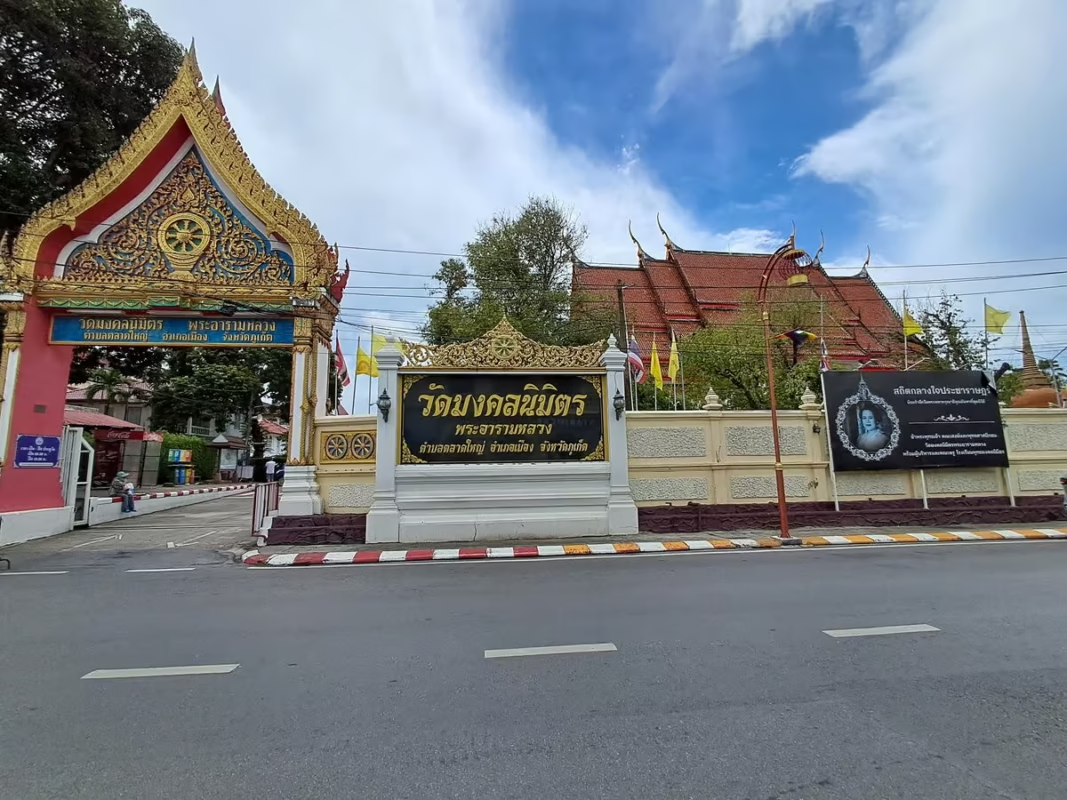
Located in the Talat Yai district of Phuket Old Town, Wat Mongkol Nimit is one of the island’s most important Buddhist temples and holds the status of a Royal Monastery. The temple remains an active place of worship and serves as a spiritual center for the local community.
Known for its peaceful atmosphere, elegant temple buildings and beautifully maintained grounds, Wat Mongkol Nimit offers visitors an opportunity to experience authentic Buddhist traditions away from Phuket’s busier tourist attractions. Throughout the year, religious ceremonies and community events continue to play an important role in the daily life of the temple.
The temple is also closely connected to the nearby Phutthamongkol Nimit School, reflecting its longstanding role in both education and the local Buddhist community.
A key part of the historic city center is its strong Chinese cultural heritage. Several Chinese shrines and temples are scattered throughout the area.
Diese Tempel werden bis heute aktiv genutzt und sind ein wichtiger Teil des religiösen Lebens der chinesischstämmigen Bevölkerung.
Während wichtiger Feste wie dem Phuket Vegetarian Festival verwandelt sich die Altstadt in ein Zentrum religiöser Zeremonien mit Prozessionen, Ritualen und traditioneller Kleidung.
Each shrine has its own history and traditions, but together they represent the spiritual heart of Phuket’s Chinese community and remain central gathering places during important religious celebrations.
Every year, usually during September or October, Phuket Old Town becomes the center of the internationally renowned Phuket Vegetarian Festival. What began as a religious observance within the Chinese community has developed into one of Thailand’s most extraordinary cultural events.
During the festival, streets throughout the old town fill with colorful processions, traditional music, ceremonial performances and thousands of worshippers dressed in white. Chinese shrines become the focal point of daily rituals, while vegetarian food stalls appear throughout the historic district.
Visitors from around the world travel to Phuket to witness the unique ceremonies and experience the vibrant atmosphere. Although some rituals are visually intense, the festival remains deeply rooted in faith, purification and community traditions rather than entertainment.
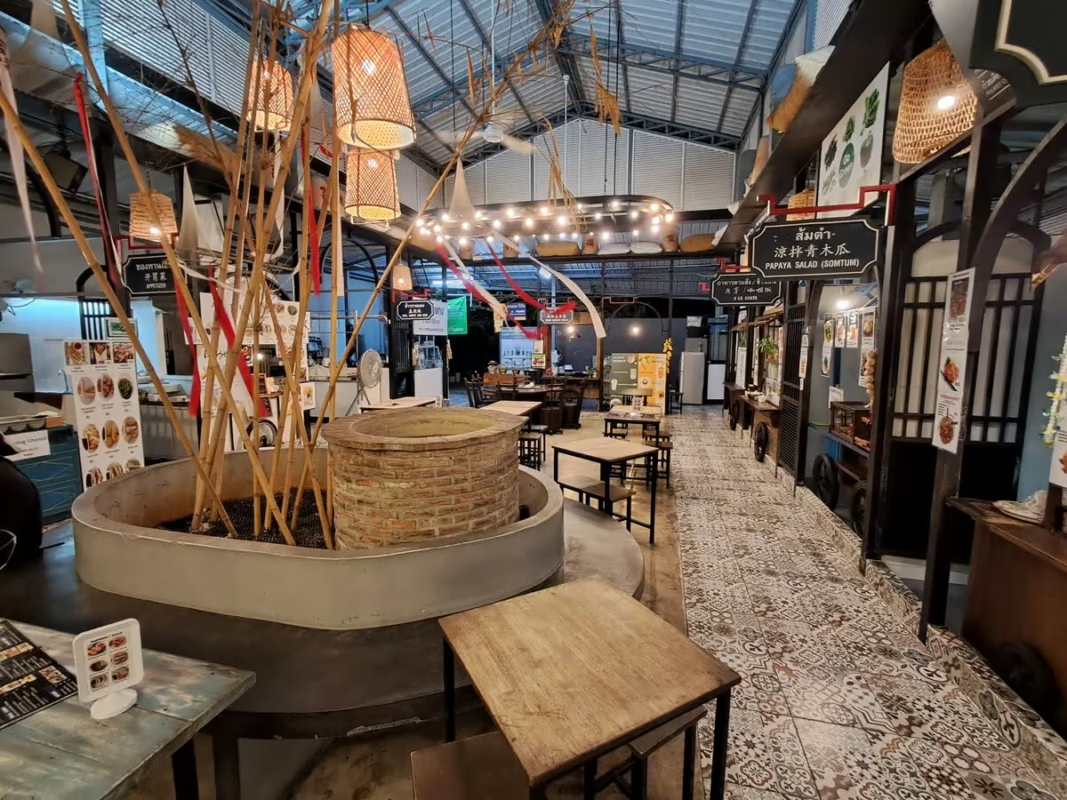
Phuket Old Town is much more than a collection of beautiful historic buildings. The district invites visitors to slow down, explore hidden alleyways, discover local businesses and experience a side of Phuket that feels authentic and deeply connected to the island’s heritage.
Whether you spend just a few hours or an entire day here, you’ll find a remarkable mix of history, architecture, culture, art and gastronomy within a surprisingly compact area. Most attractions are only a short walk apart, making the old town one of the easiest places on the island to explore on foot.
From our experience, many visitors arrive with only enough time for a quick walk along Thalang Road. That would be a mistake. Some of the most memorable places are tucked away in quieter side streets, hidden courtyards and small family-run cafés that many tourists simply pass by.
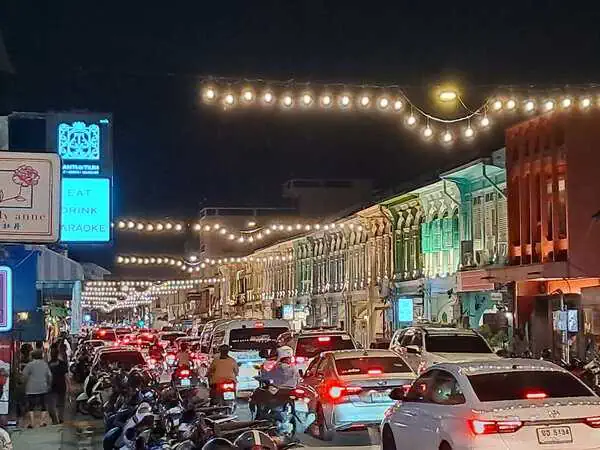
The beautifully restored shophouses remain Phuket Old Town’s greatest attraction. Their pastel-colored façades, decorative stucco details, wooden shutters and elegant archways reflect more than a century of cultural exchange between Chinese merchants and European traders.
Although nearly every street offers excellent examples of this architectural style, Thalang Road, Dibuk Road and Krabi Road feature some of the district’s finest preserved buildings.
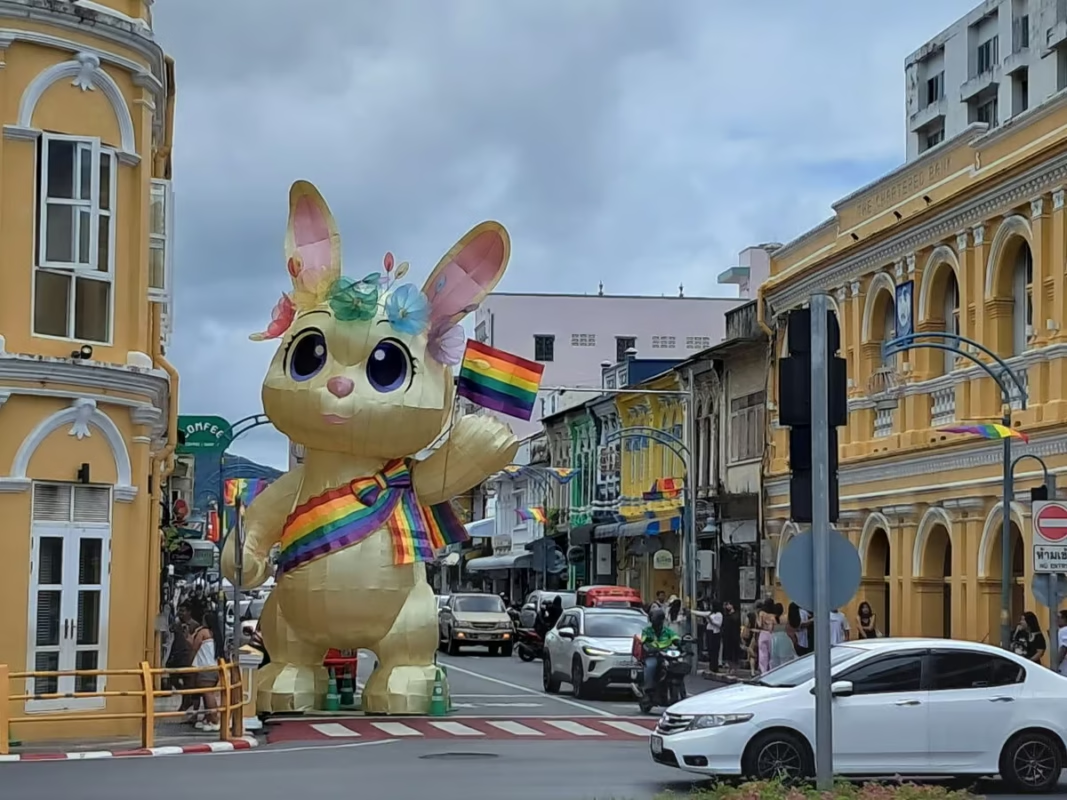
Contemporary murals have become an integral part of Phuket Old Town without overshadowing its historic character. Throughout the district, large-scale artworks celebrate local traditions, Chinese heritage, Phuket’s mining history and everyday island life.
Unlike purpose-built street art districts, many murals here appear unexpectedly around quiet corners or on the walls of historic buildings, making exploration particularly rewarding.
One of our favorite ways to experience the old town is simply to wander without following a fixed route. Some of the most interesting murals and architectural details appear where you least expect them.
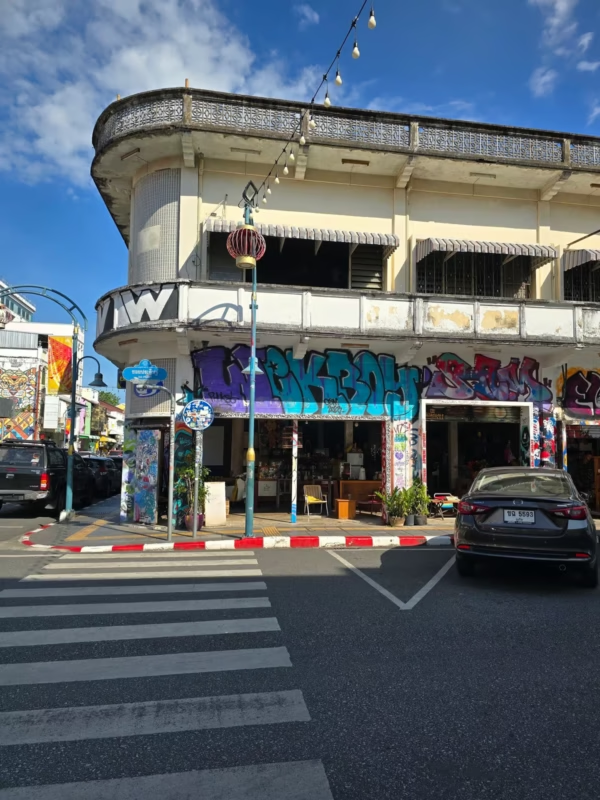
Historic shophouses have found new life as stylish cafés, artisan bakeries and specialty coffee shops. Many combine carefully restored interiors with modern design while preserving original architectural features such as tiled floors, wooden beams and open courtyards.
Several cafés roast their own coffee or specialize in locally grown beans from northern Thailand, making Phuket Old Town an excellent destination for coffee lovers.
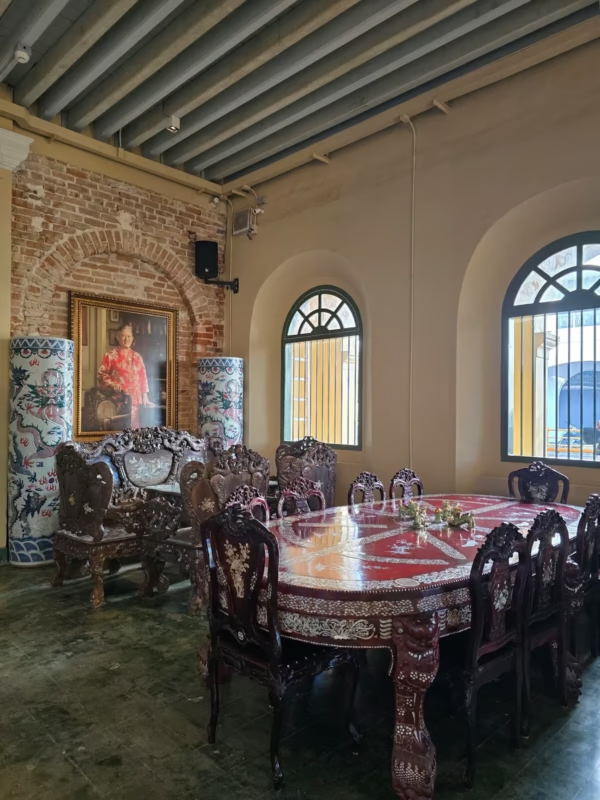
Several museums provide fascinating insights into Phuket’s multicultural history, Chinese immigration and the island’s prosperous tin mining era. They help visitors understand why the old town developed into one of Thailand’s most distinctive historic districts.
Among the most popular museums are the Phuket Thai Hua Museum and the Peranakan Museum, both of which explain the traditions and customs that continue to shape local culture today.
Unlike large shopping malls, Phuket Old Town offers an excellent selection of independent boutiques, artisan workshops and locally owned businesses. Visitors can browse handmade jewelry, contemporary fashion, ceramics, paintings, handcrafted souvenirs and unique home décor created by Thai designers.
Shopping here directly supports local entrepreneurs and often leads to conversations with the artists and craftspeople behind the products.

Every Sunday evening, Thalang Road transforms into Phuket’s largest and most famous walking street market. Hundreds of stalls offer freshly prepared Thai food, handmade crafts, local desserts, clothing, live performances and traditional music.
The market attracts both residents and visitors, creating a lively yet welcoming atmosphere that reflects Phuket’s multicultural identity.
Phuket Old Town has become one of southern Thailand’s most exciting culinary destinations. Traditional family restaurants stand alongside modern bistros, Michelin-recognized eateries, elegant cafés and innovative fusion restaurants.
Many recipes have been passed down through generations, combining Chinese, Malay and Southern Thai influences that are unique to Phuket.
Whether you’re looking for authentic street food, freshly prepared seafood or refined local cuisine, the old town offers something for every taste and budget.
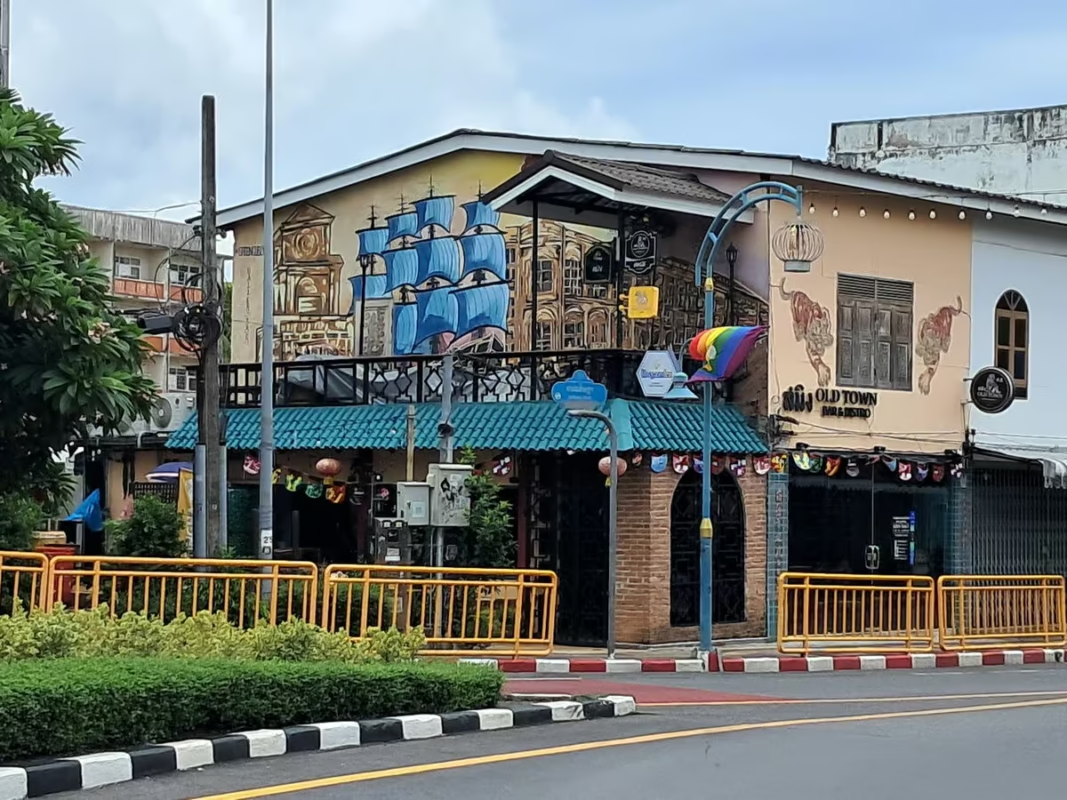
Phuket Old Town has developed into one of Thailand’s most exciting culinary destinations. Traditional family-run restaurants, Michelin-recognized eateries, modern cafés, artisan bakeries and lively street food stalls are all located within a few minutes’ walk of each other.
The local cuisine reflects Phuket’s multicultural heritage. Chinese, Southern Thai, Malay and Peranakan influences have blended over generations, creating flavors and recipes that are unique to the island. Many restaurants continue to prepare dishes using family recipes that have been handed down for decades.
One of the greatest advantages of dining in Phuket Old Town is its authenticity. While the beaches are dominated by international restaurants, the historic center remains the preferred dining destination for many local residents. That is usually a good sign if you’re looking for genuine regional cuisine rather than tourist-oriented menus.
In recent years, Phuket Old Town has gained international recognition for its outstanding food scene. Several restaurants have been included in the Michelin Guide, highlighting both traditional family businesses and innovative contemporary kitchens.
Rather than focusing exclusively on fine dining, the Michelin Guide also celebrates affordable local restaurants serving authentic Southern Thai and Peranakan specialties prepared with exceptional quality.
For food enthusiasts, Phuket Old Town offers a rare opportunity to enjoy award-recognized cuisine without the formality often associated with Michelin-rated destinations.
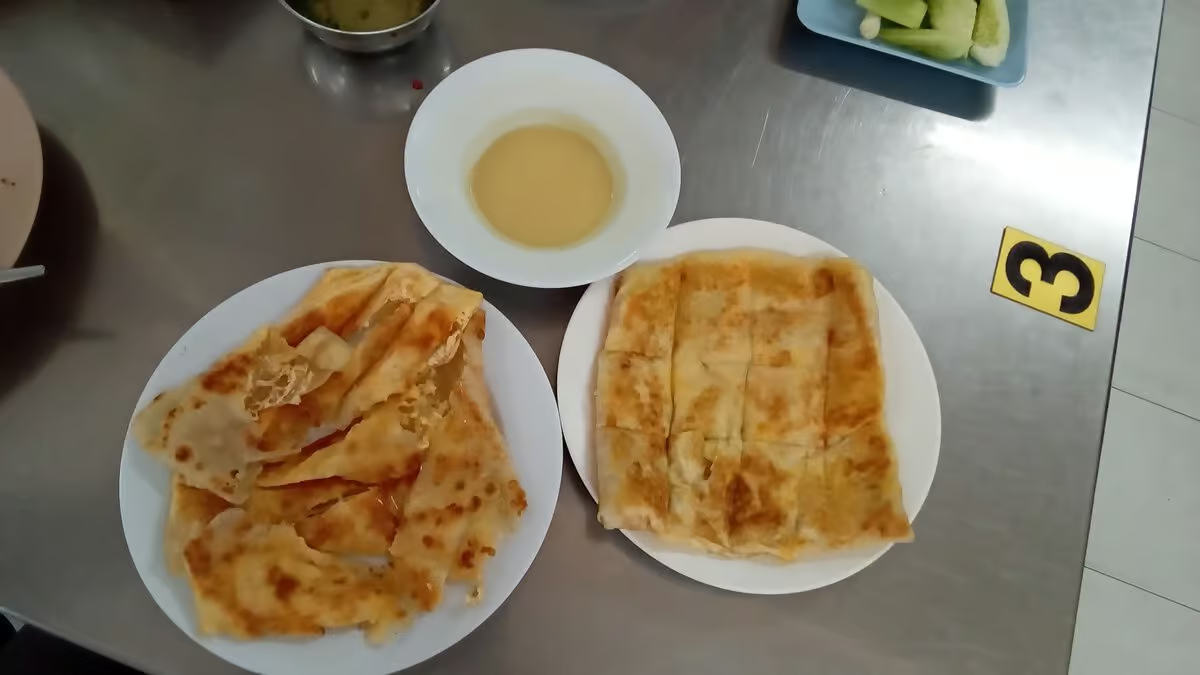
A visit to Phuket Old Town would not be complete without sampling the island’s traditional dishes. Many recipes combine Chinese cooking techniques with the bold spices and fresh ingredients of Southern Thailand.
Many of these dishes have been served in Phuket for generations and remain favorites among local families.
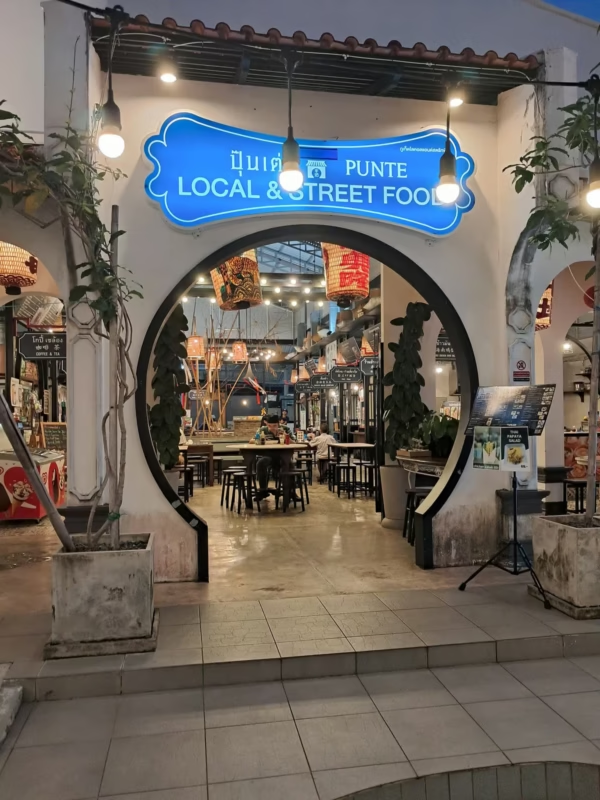
Street food is an essential part of everyday life in Phuket Old Town. Small food stalls, open-air kitchens and family-run vendors prepare freshly cooked meals throughout the day, often using recipes that have remained unchanged for decades.
The variety is impressive. Visitors can sample grilled seafood, noodle soups, satay skewers, tropical fruit, freshly squeezed juices, Thai desserts and numerous regional specialties while exploring the historic streets.
Unlike purpose-built tourist food markets, many vendors primarily serve local office workers and residents. This contributes to the authentic atmosphere that makes dining in Phuket Old Town so enjoyable.
Walking through the old town also offers countless opportunities to enjoy freshly prepared tropical fruit and refreshing local drinks. Mango, pineapple, watermelon, dragon fruit, papaya and pomelo are available almost year-round.
One of our personal favorites is freshly pressed sugarcane juice. Watching the sugarcane being peeled and pressed directly in front of you is part of the experience, and the naturally sweet juice provides welcome refreshment on warm afternoons.
Fresh coconut water, Thai iced tea and locally roasted coffee are equally popular choices while exploring the historic district.
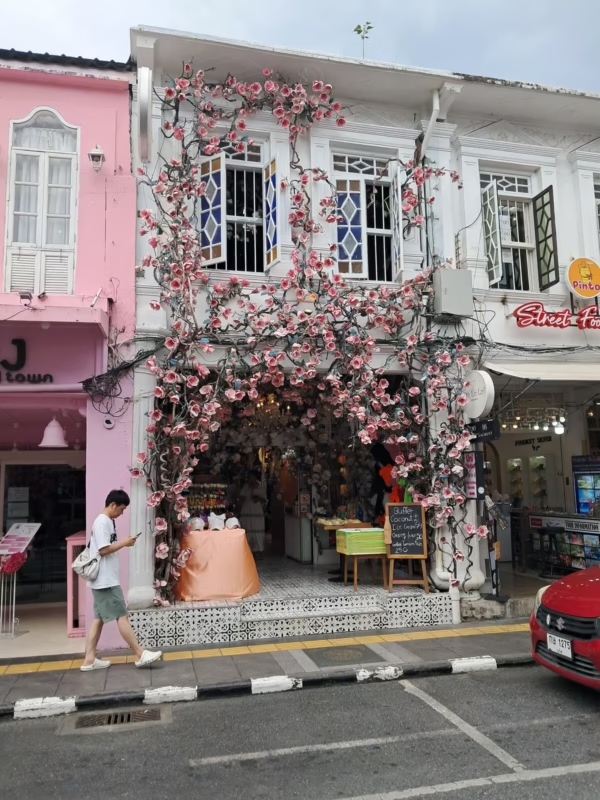
Phuket Old Town has become one of southern Thailand’s leading café destinations. Beautifully restored heritage buildings now house stylish coffee shops, artisan bakeries and creative dessert cafés that blend historic architecture with contemporary design.
Many cafés roast their own coffee beans or serve specialty coffee sourced from northern Thailand, while others are known for homemade cakes, traditional Thai desserts and handcrafted ice cream.
Whether you are looking for a quiet courtyard, an air-conditioned break from the tropical heat or simply an excellent cup of coffee, you’ll find plenty of inviting places throughout the historic district.
After a stroll through the Old Town, the most beautiful viewpoints in Phuket offer impressive panoramic views of the island.
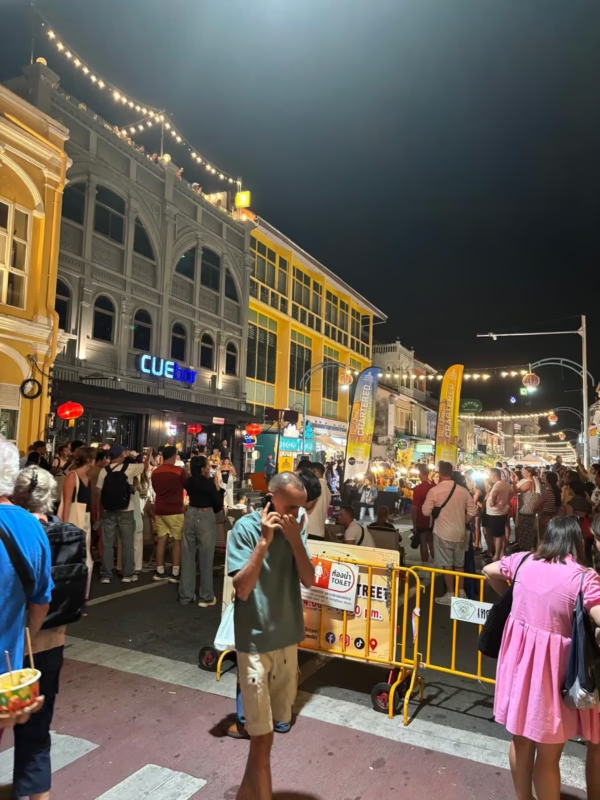
Shopping in Phuket Old Town is very different from browsing large shopping malls or beachside souvenir markets. The historic district is known for its independent boutiques, local designers, artisan workshops and family-owned businesses that offer products with genuine character and craftsmanship.
As you stroll through the colorful streets, you’ll discover fashion boutiques, handmade jewelry, ceramics, paintings, antiques, home décor, handcrafted leather goods and locally designed accessories. Many shop owners are also the designers or artisans themselves, creating a more personal shopping experience.
From our experience, the smaller side streets often hide the most interesting stores. Taking time to explore beyond the main tourist routes frequently leads to unique finds that you won’t see elsewhere on the island.
Just a 20-minute drive from Phuket Old Town, Big Buddha Phuket is one of the island’s most iconic landmarks and panoramic viewpoints. Perched on Nakkerd Hill, the impressive white marble statue offers breathtaking views over Phuket’s southern coastline, Chalong Bay and the Andaman Sea.
Combining Phuket Old Town with Big Buddha Phuket makes for an excellent full-day itinerary. Together, these two attractions showcase two very different sides of the island—its rich cultural heritage and one of its most spectacular viewpoints.
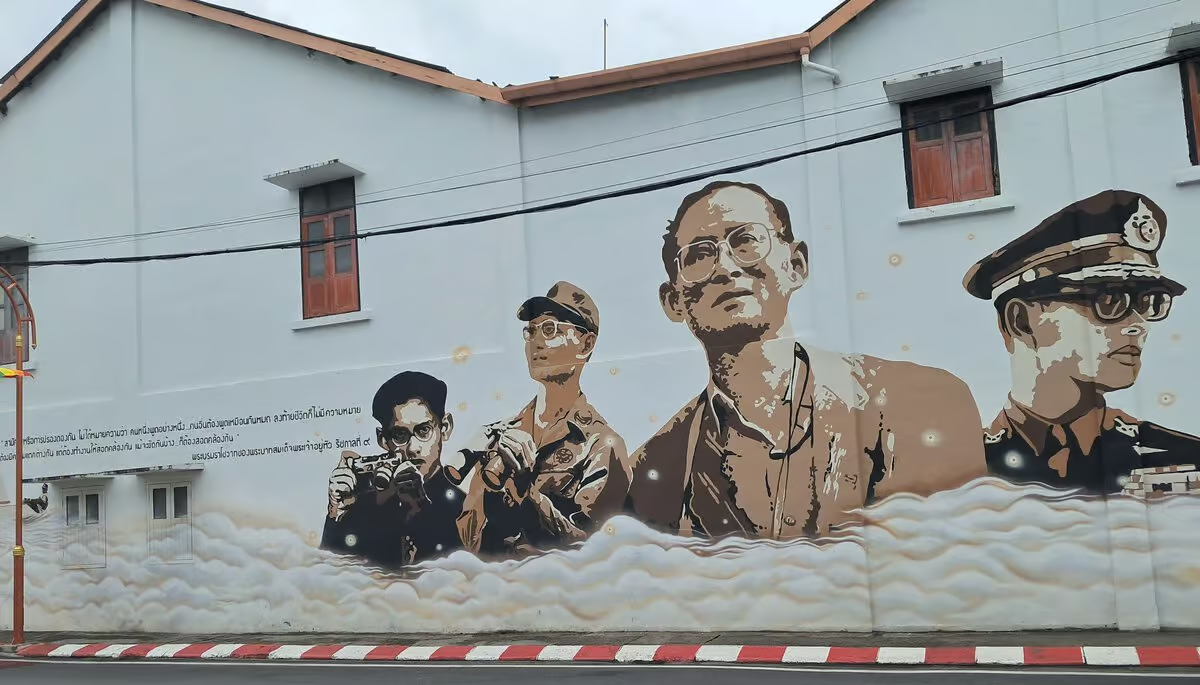
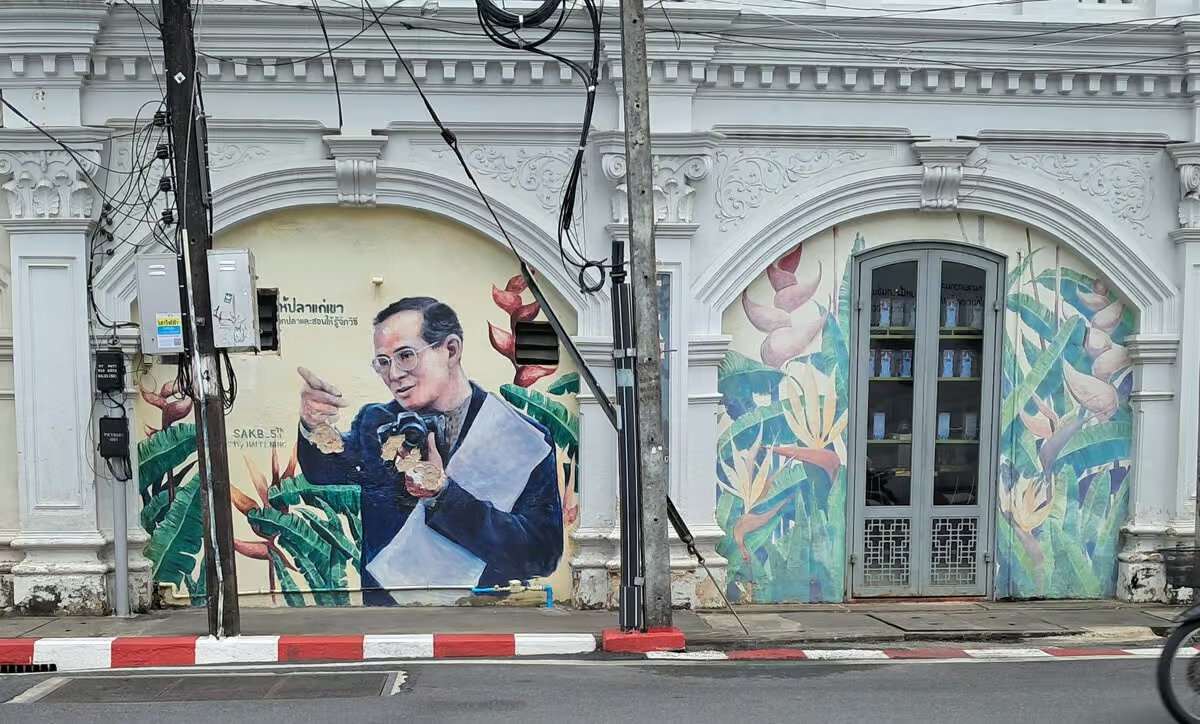
Street art has become one of Phuket Old Town’s most distinctive attractions. Rather than replacing the district’s historic character, the murals complement its heritage by telling stories about local traditions, Chinese culture, tin mining and everyday island life.
Large-scale paintings appear throughout the old town, often decorating the walls of historic buildings or quiet alleyways. Many works were created by Thai artists and have become popular photography spots for visitors from around the world.
One of the pleasures of exploring Phuket Old Town is that many murals appear unexpectedly. Instead of following a fixed route, we often recommend simply wandering through the smaller streets. Some of the most impressive artworks are hidden away from the busiest tourist areas.
| Museum | Focus & Exhibition | Location | Special Feature |
|---|---|---|---|
| Thai Hua Museum | History of Chinese immigrants, tin mining heritage & education | Krabi Road | Housed in a beautifully restored Sino-Portuguese former Chinese school |
| Charter Bank Museum | Economic history, Peranakan culture & tin mining boom | Phang Nga Road / Dibuk Road | Phuket’s first Western bank building from the 19th century |
| Thai Hua History Museum | Baba-Yaya cultural heritage and daily historic life | Krabi Road | Extensive collection of historical photographs and original furniture |
For anyone interested in the island’s history, Phuket Old Town offers several excellent museums that explain how Chinese immigration, international trade and the tin mining industry shaped modern Phuket.
These museums provide valuable background information before exploring the historic streets, making it easier to appreciate the architecture and cultural influences visible throughout the district.
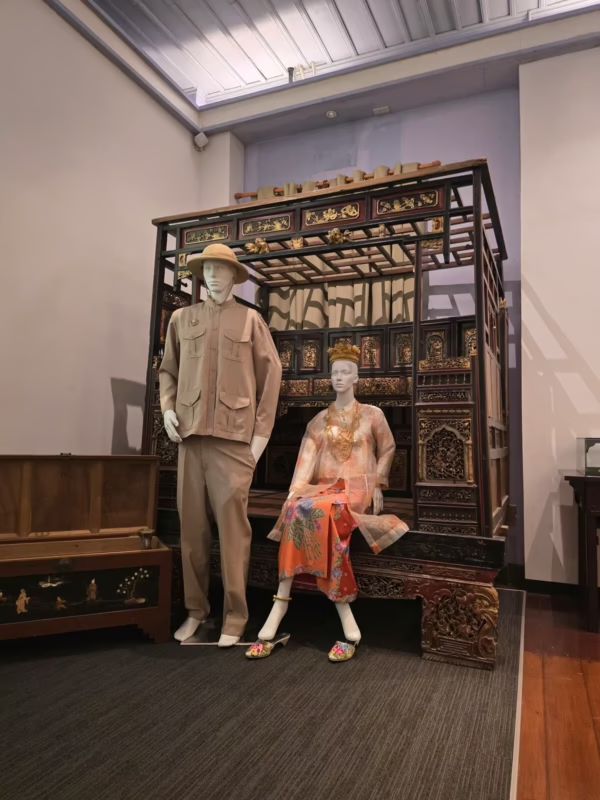
Housed inside a beautifully restored former Chinese school, the Phuket Thai Hua Museum presents the history of Chinese immigration and the development of Phuket through interactive exhibits, photographs and historical documents.
The building itself is considered one of the finest examples of Sino-Portuguese architecture in the old town and is worth visiting even before stepping inside.
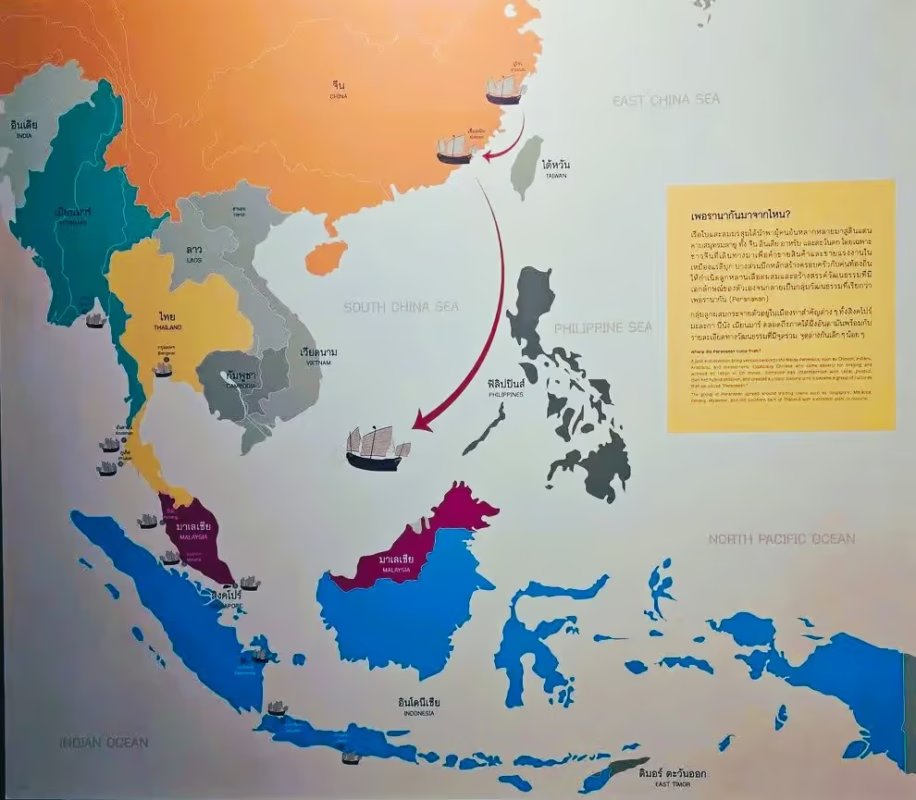
The Peranakan Museum introduces visitors to the traditions, clothing, customs and daily life of the Peranakan community, whose culture developed through the blending of Chinese and Malay influences across Southeast Asia.
Its exhibitions help explain many of the traditions that continue to shape Phuket’s festivals, cuisine and architecture today.
While Thalang Road attracts most visitors, some of Phuket Old Town’s greatest charm lies beyond its main streets. Narrow alleyways, peaceful courtyards and small residential lanes reveal a quieter side of the historic district that many travelers never discover.
These hidden corners often feature beautifully restored architecture, independent cafés, small art studios and traditional family homes. Exploring without a strict itinerary frequently leads to the most memorable experiences.
One of the reasons we enjoy returning to Phuket Old Town is that every visit reveals something new. Whether it’s a recently opened café, a restored heritage building or a colorful mural tucked away in a side street, the district constantly rewards curious visitors.
| Time of Day | Recommended Activities & Sightseeing | Culinary Highlights & Breaks |
|---|---|---|
| Morning (from 8:30 AM) |
|
|
| Afternoon (from 1:00 PM) |
|
|
| Evening (from 5:00 PM) |
|
|
The compact layout of Phuket Old Town makes it easy to explore on foot. Most of the historic streets, museums, cafés and cultural attractions are located within a relatively small area, allowing visitors to discover the district at a relaxed pace without needing transportation.
For first-time visitors, we recommend starting early in the morning when temperatures are still pleasant and the streets are noticeably quieter. This is also the best time for photography, as the soft natural light beautifully highlights the colorful Sino-Portuguese façades.
Parking is generally easier than many visitors expect, although availability varies depending on the day and time of your visit. Several public parking areas are located around the historic district, while additional roadside parking is available on surrounding streets where permitted.
On Sundays, parking becomes more challenging due to the popular Sunday Walking Street Market. Arriving before the market opens significantly increases your chances of finding a convenient parking space.
Most of Phuket Old Town can be explored on foot, but accessibility is limited in some areas. Many sidewalks are narrow, uneven or partially obstructed by utility poles, trees, parked motorcycles or street furniture.
Visitors using wheelchairs or traveling with strollers should be prepared to walk on the roadside in certain sections where sidewalks become difficult to use.
Despite these limitations, the streets themselves are generally flat, and many cafés and restaurants offer step-free entrances.
Absolutely. Phuket Old Town offers a unique combination of history, architecture, local cuisine, shopping and cultural attractions that differs completely from the island’s beach resorts.
We recommend allowing at least four hours. Visitors interested in museums, cafés, shopping and photography can easily spend an entire day exploring the historic district.
Early morning provides cooler temperatures, quieter streets and excellent lighting for photography. Late afternoon is another popular time, especially before sunset.
Yes. Walking through the historic streets is completely free. Only museums and selected attractions charge admission fees.
Yes. Short tropical showers are common, but they usually pass quickly. Many streets feature covered walkways, making it easy to continue exploring during light rain.
The market takes place every Sunday evening along Thalang Road and is one of Phuket’s most popular cultural events.
Yes. Phuket Old Town is a great destination for families. Most streets are flat and easy to explore on foot, while colorful street art, small cafés and the lively Sunday Walking Street Market make the area enjoyable for visitors of all ages. Parents with strollers should note that some sidewalks are narrow or uneven, so walking on quieter side streets is often more convenient.
Yes. The murals and street art throughout Phuket Old Town can be freely photographed for personal use. Many of the colorful artworks have become popular landmarks and are among the most photographed attractions in the historic district.
One of the most frequently recommended local specialties is Roti with Massaman Curry. This crispy flatbread served with a rich, mildly spiced curry is a favorite among both locals and visitors. Other popular dishes include Hokkien noodles, Moo Hong, Oh Tao and Kanom Jeen.
Phuket Old Town is far more than a historic neighborhood. It represents the cultural heart of the island, where centuries of Chinese, Thai and European influences have created one of Southeast Asia’s most distinctive heritage districts.
Beautiful architecture, fascinating history, outstanding local cuisine, independent cafés, artisan boutiques and colorful street art make every visit unique. Whether you’re interested in photography, history, shopping or simply experiencing everyday life beyond Phuket’s beaches, the old town rewards visitors with an authentic atmosphere rarely found in major tourist destinations.
After countless visits, we continue to discover new cafés, hidden murals, beautifully restored buildings and small local businesses. That ability to surprise even returning visitors is what makes Phuket Old Town one of our favorite places on the island.
If you want to experience the authentic side of Phuket, take your time, wander through the quieter streets and allow yourself to explore without a fixed itinerary. You’ll almost certainly leave with a deeper appreciation of the island’s rich history and cultural diversity.
Would you like to experience Phuket Old Town, the iconic Big Buddha, and the island’s finest scenic viewpoints in comfort and without tourist crowds? With our exclusive Phuket Premium City Tour, we tailor the perfect day for you – either in an intimate small group (max. 8 guests) or as a 100% private tour.
Why Discover Phuket Old Town with Us:
Prefer to compare all tour variations (Private vs. Small Group)?
» View All Cultural & Sightseeing Tours in Phuket
Have questions or special requests?
Contact our team directly on WhatsApp for personalized assistance: » Chat with Us on WhatsApp