
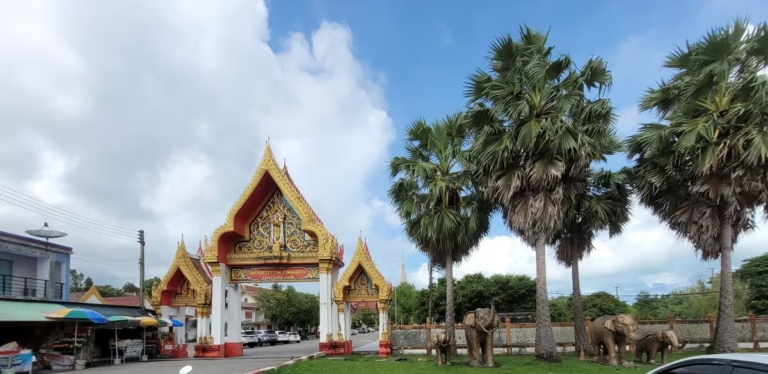
From the moment you step onto the temple grounds, you’ll notice the golden pagodas, the scent of burning incense, and the peaceful atmosphere that surrounds the complex. Wat Chalong is far more than a popular tourist attraction – for many Thai people, it remains the spiritual heart of Phuket and an important place of worship.
Wat Chalong is the most important Buddhist temple in Phuket and one of the island’s most visited cultural attractions. Located in southern Phuket, the impressive temple complex is renowned for its beautifully decorated pagodas, peaceful atmosphere, religious ceremonies, and fascinating history.
The temple’s official name is Wat Chaiyathararam, although it is known worldwide as Wat Chalong. Unlike many tourist attractions, this is an active place of worship where Buddhist rituals, prayers, and ceremonies take place every day.
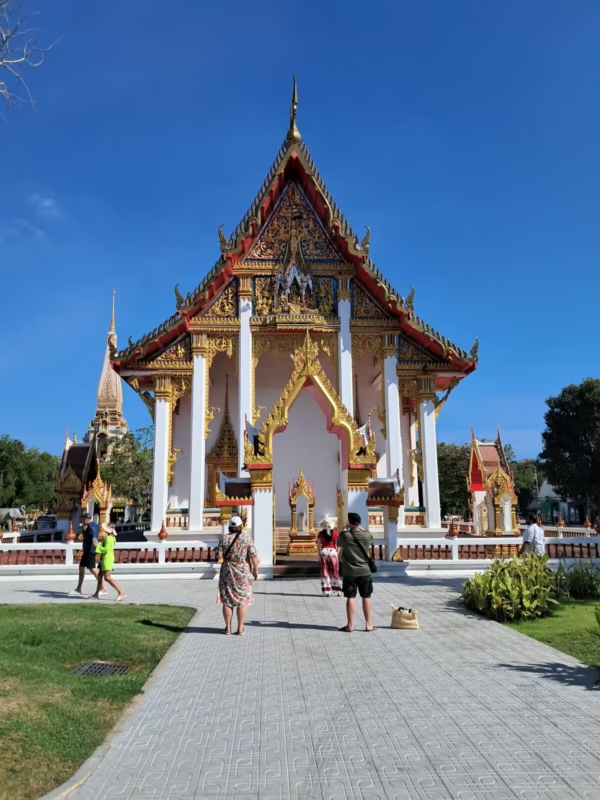
Wat Chalong holds a special place in Phuket’s spiritual life because of two highly respected monks, Luang Pho Chaem and Luang Pho Chuang. Both monks played an important role during the 19th century and are still deeply revered by Thai Buddhists today.
Their statues can be found in several shrines throughout the temple grounds, where visitors light candles, offer incense, and place small pieces of gold leaf as a symbol of devotion and gratitude.
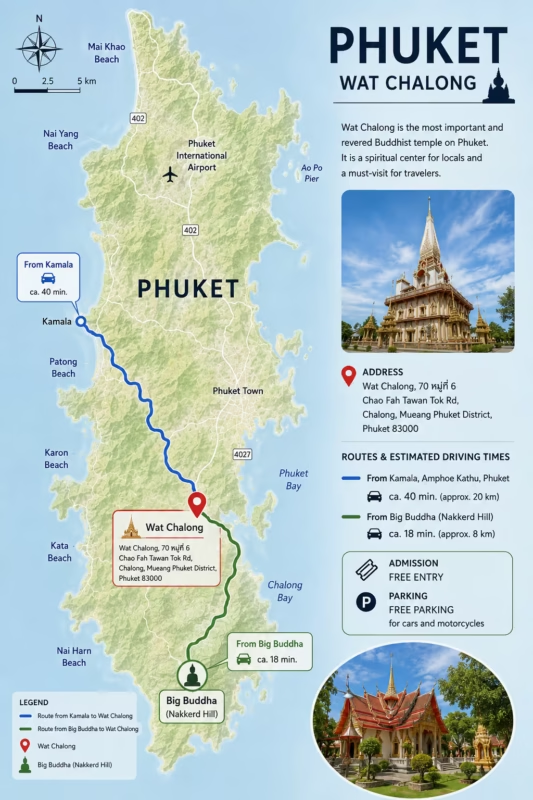
Wat Chalong is located in the Chalong area in southern Phuket and is one of the island’s most famous landmarks. Thanks to its central location, the temple is easily accessible by rental car, scooter, taxi, or as part of a guided Phuket sightseeing tour.
The famous Big Buddha on Nakkerd Hill is located only around 8 kilometers away. Depending on traffic, the drive usually takes between 15 and 20 minutes. Many visitors combine both attractions in a single trip, making it one of the most popular sightseeing routes on Phuket.
The temple can also be reached within approximately 20 to 40 minutes from popular beach destinations such as Patong, Kata, Karon, and Phuket Old Town. Free parking for both cars and motorbikes is available directly outside the entrance.
Many visitors reach Wat Chalong easily from the beaches along Phuket’s west coast, including Patong, Kata, Karon, Kamala, and Surin Beach.
Wat Chalong is open every day of the year, and admission is completely free. Visitors are welcome to make a voluntary donation to help preserve the temple, but there is no entrance fee.
The quietest time to visit is between 7:00 AM and 9:00 AM. Organized tour groups usually begin arriving later in the morning, making the temple noticeably busier. Visitor numbers generally decrease again after around 3:30 PM.
The history of Wat Chalong dates back several centuries. The temple became particularly significant during the Chinese miners’ rebellion in the 19th century, when Buddhist monks played an important role in supporting the local population and helping to restore peace.
The foundation of the temple is generally associated with the year 1876, during the period of the Chinese rebellion in Phuket.
Luang Pho Chaem and Luang Pho Chuang not only provided spiritual guidance but also cared for injured residents and offered protection during the unrest. Their compassion and leadership earned them enormous respect that continues to this day.
Because of this remarkable history, Wat Chalong remains deeply connected to Phuket’s cultural identity and is regarded as the island’s spiritual heart.
Visitors interested in Phuket’s history often combine a visit to Wat Chalong with a walk through the beautifully preserved streets of Phuket Old Town.
If you’re interested in Phuket’s cultural heritage, consider combining your visit to Wat Chalong with a stroll through the historic Phuket Old Town, known for its colorful Sino-Portuguese architecture, cafés, and local museums.
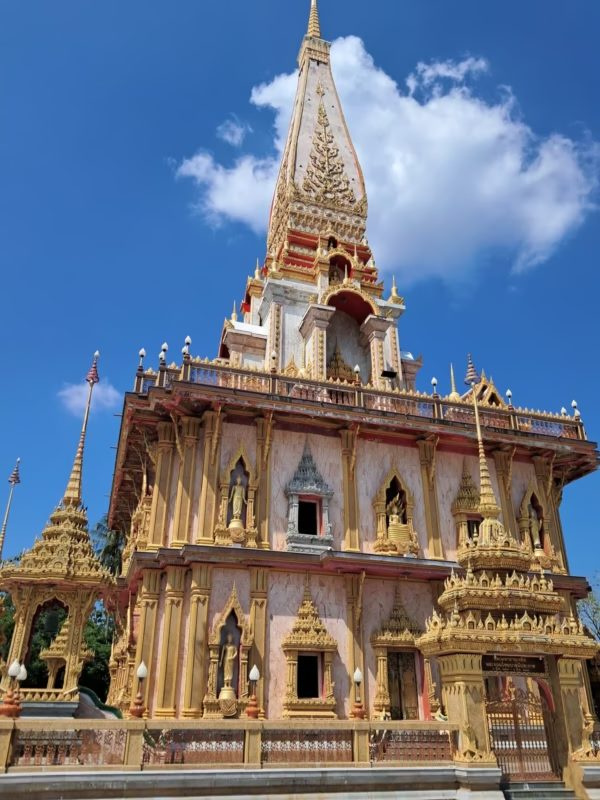
Wat Chalong consists of several temple buildings, prayer halls, shrines, and a magnificent central chedi. Standing approximately 60 meters tall, the chedi is the newest and tallest structure within the temple complex and can be explored across three levels.
Each floor is richly decorated with colorful murals depicting scenes from the life of Buddha as well as important Buddhist teachings. Traditional Thai architecture blends harmoniously with more recent additions, creating one of the most impressive religious landmarks in southern Thailand.
Golden ornaments, elaborately decorated roofs, and beautifully crafted statues make Wat Chalong one of Phuket’s most photogenic attractions.
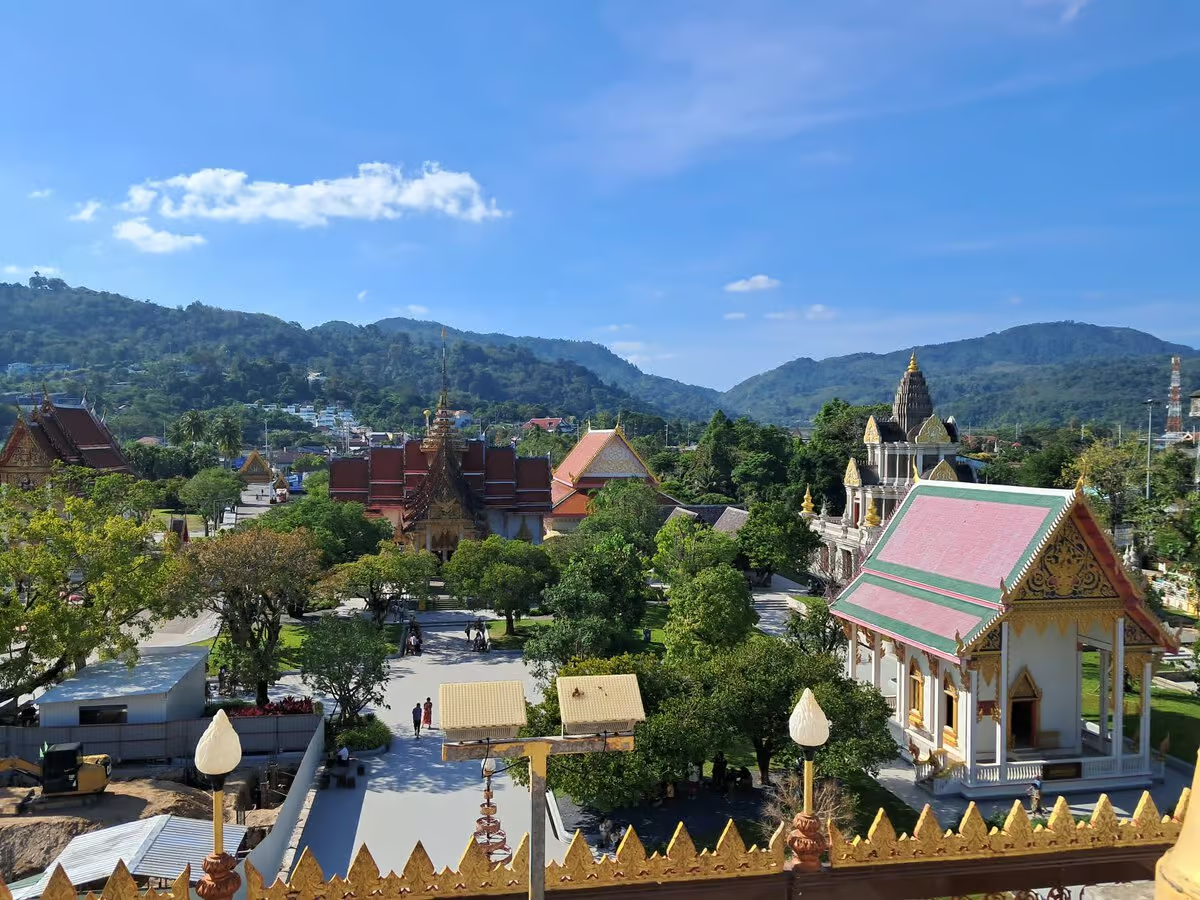
Visitors reaching the upper levels of the temple can also enjoy beautiful views across the surrounding hills and countryside, adding another highlight to the experience.
From the upper levels of the temple, visitors can enjoy beautiful views of the surrounding hills. For even more spectacular scenery, explore Phuket’s most popular viewpoints across the island.
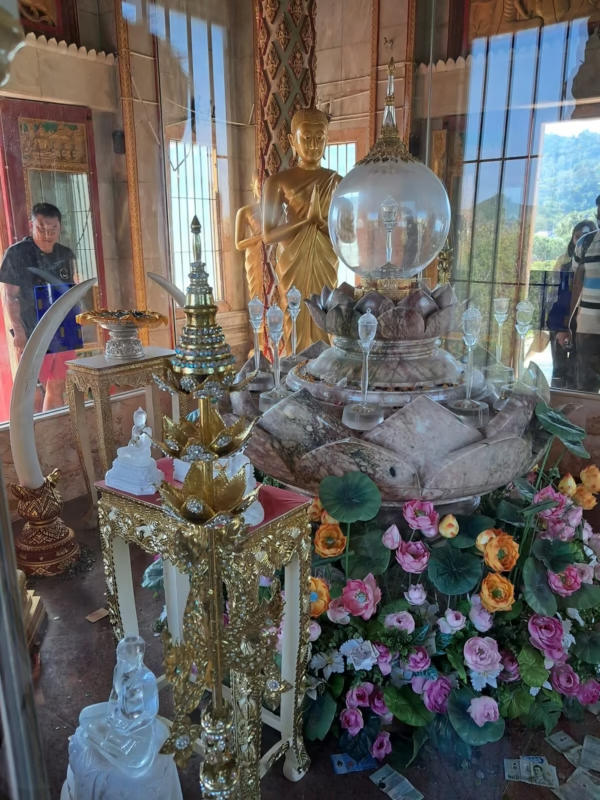
The Great Chedi, officially known as Phra Mahathat Chedi, is the spiritual centerpiece of Wat Chalong. It houses a sacred relic of Buddha, making it one of the temple’s most important places of worship.
Visitors are welcome to explore each level of the chedi, where they will discover Buddhist artwork, beautifully crafted statues, and detailed murals illustrating important moments from Buddha’s life.
From the upper floors, panoramic views extend across the entire temple grounds and the surrounding landscape. The peaceful atmosphere inside the chedi encourages many visitors to pause, reflect, or simply enjoy a quiet moment away from Phuket’s busy beaches.
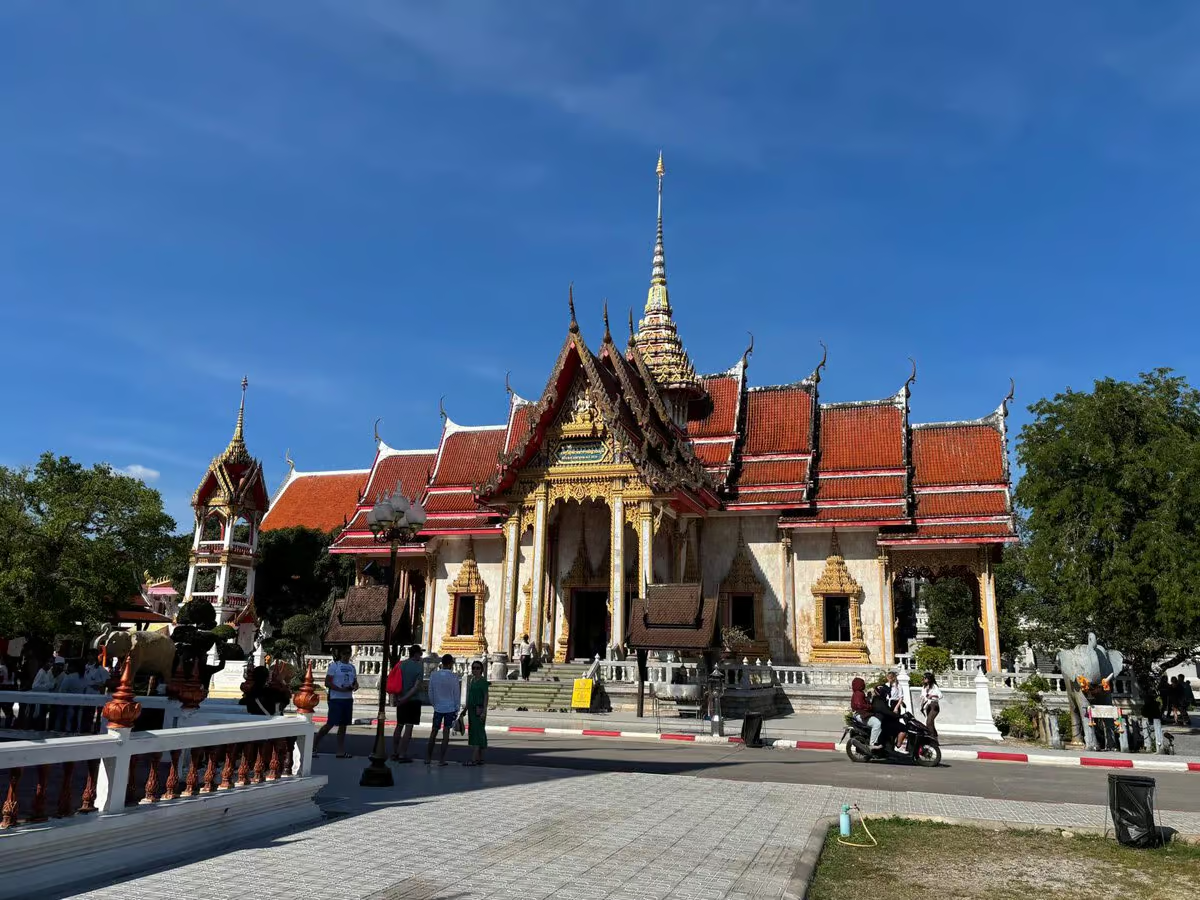
Wat Chalong is an active Buddhist temple where religious ceremonies take place every day. Monks perform prayers and blessings while local worshippers make offerings and seek spiritual guidance.
One of the most common Buddhist traditions involves lighting incense sticks, offering candles, and placing small sheets of gold leaf onto Buddha statues or sacred objects. These symbolic acts represent gratitude, respect, and the wish for good fortune.
Many local residents visit Wat Chalong regularly to pray for good health, happiness, success, or the well-being of their families, making the temple an important part of everyday life in Phuket.
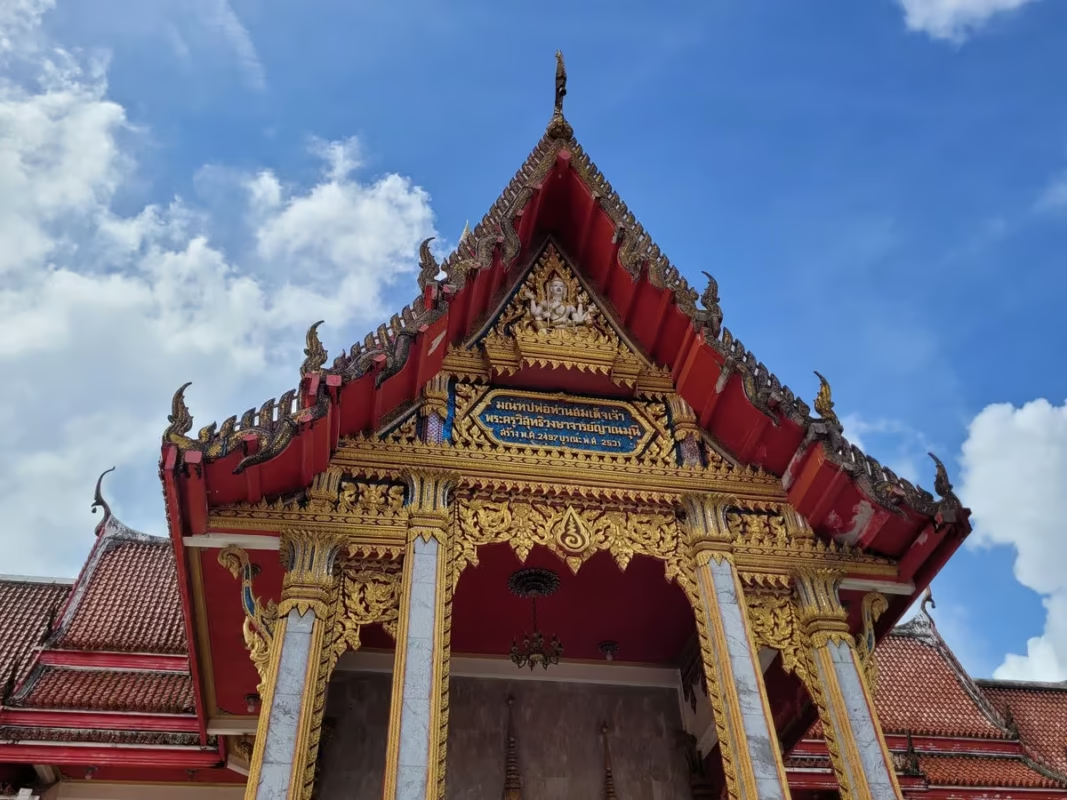
Within the grounds of Wat Chalong stands the pavilion dedicated to the Venerable Somdet Chao Phra Khru Visutthiwongsajarn Yanamuni. According to the inscription, the pavilion was built in 1954 and extensively renovated in 1988. It commemorates one of the temple’s most highly respected Buddhist monks and remains an important part of the temple complex today.
Many worshippers visit the pavilion to light incense, offer flowers and pray before the monk’s gilded seated statue. The peaceful atmosphere here contrasts with the busier areas around the main pagoda, making it a quiet place for reflection. Visitors who wish to experience the spiritual side of Wat Chalong beyond its most famous landmarks should take a few moments to stop at this often-overlooked pavilion.
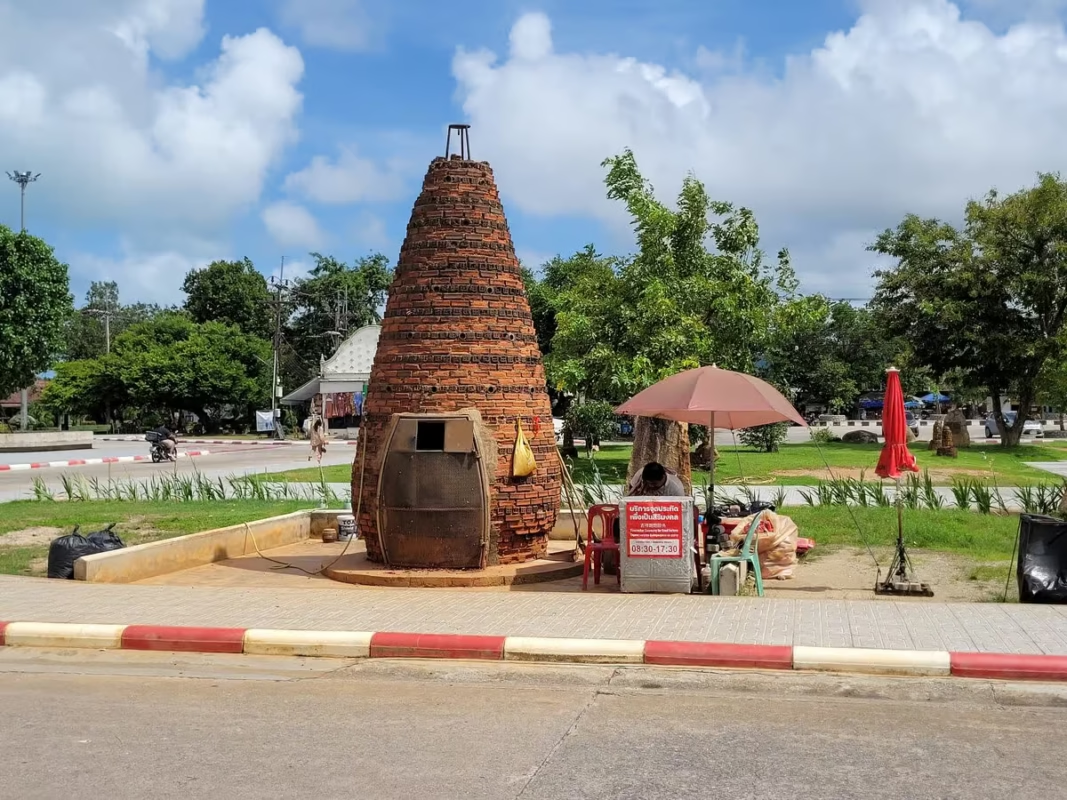
Many first-time visitors are surprised by the loud explosions echoing across the temple grounds. Although they may sound alarming at first, they are not fireworks displays but part of a long-standing Buddhist tradition practiced at Wat Chalong.
People visit the temple to pray for good health, happiness, career success, or the well-being of their loved ones. When their wishes are fulfilled, many return to express their gratitude by setting off firecrackers. According to local belief, the loud explosions drive away bad luck while symbolizing thanks to Buddha and the highly respected monks associated with the temple.
A specially constructed brick firecracker furnace is located within the temple grounds for this purpose. Firecrackers may only be ignited inside this designated area, where the ritual is carried out safely under supervision.
Visitors who wish to participate can purchase the approved firecrackers directly at the temple. The proceeds help support the maintenance and preservation of Wat Chalong. Participation is entirely optional, but many travelers consider it one of the most unique cultural experiences on Phuket.
Today, the firecracker ritual remains one of Wat Chalong’s most distinctive traditions and offers visitors an authentic insight into living Buddhist customs in Thailand.
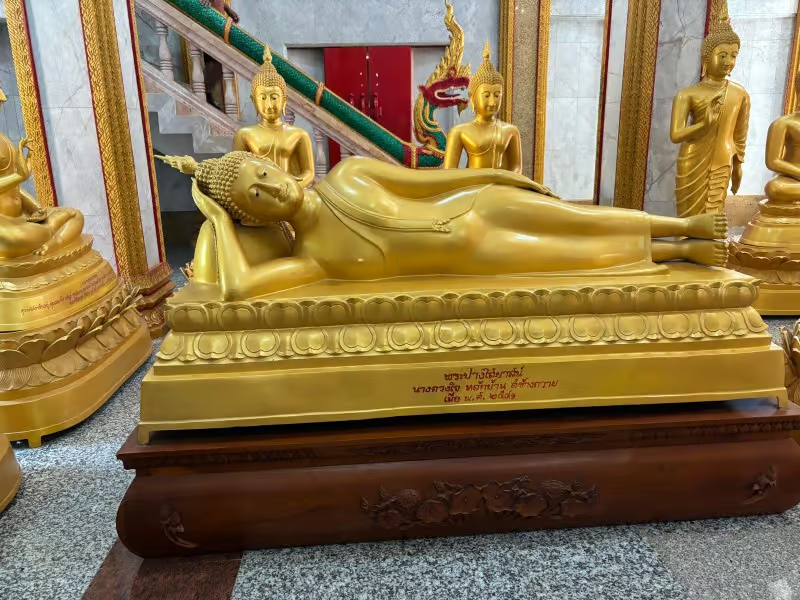
Wat Chalong is an active place of worship where visitors are asked to behave respectfully at all times. Following a few simple guidelines helps preserve the peaceful atmosphere and allows local worshippers to continue their prayers without disturbance.
These simple guidelines are intended to show respect for Buddhism, the monks, and the many local people who visit Wat Chalong each day to pray and meditate.
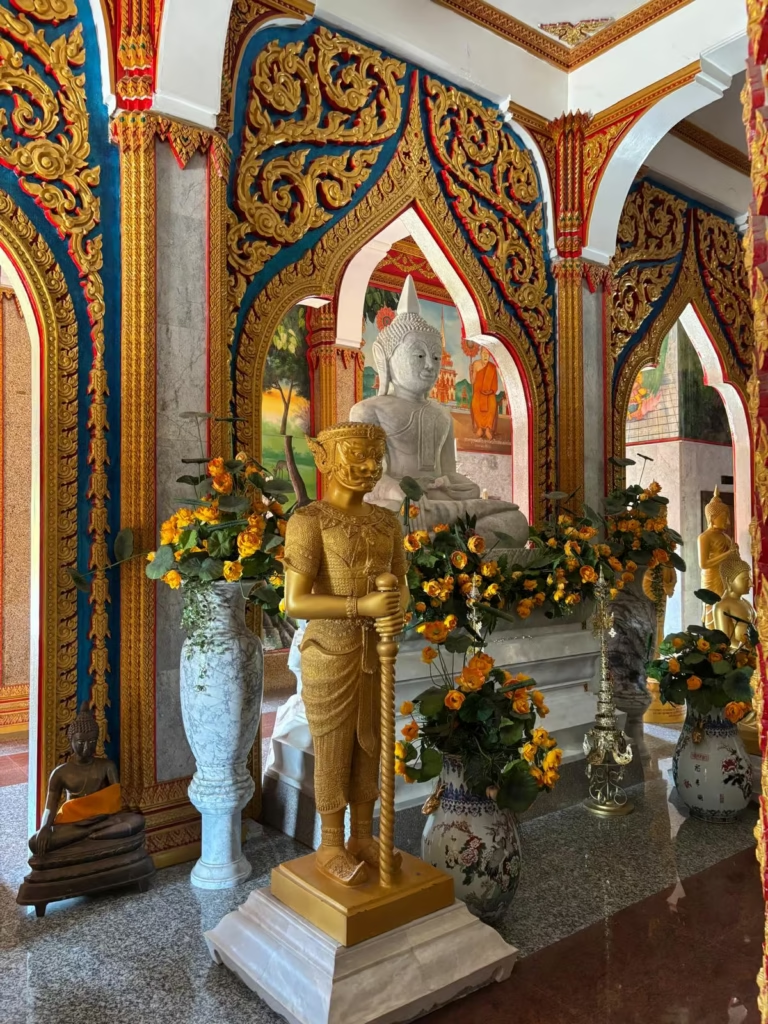
Compared with many of Phuket’s smaller temples, Wat Chalong is considerably larger, more active, and far more significant from both a religious and cultural perspective. While many local temples primarily serve nearby communities, Wat Chalong is regarded as the spiritual center of the entire island.
Unlike the Big Buddha, which is best known as a panoramic viewpoint and iconic landmark, Wat Chalong remains a fully functioning Buddhist temple where daily prayers, ceremonies, and religious traditions continue to play an important role.
Wat Chalong can be visited throughout the year. The most pleasant times are early in the morning or later in the afternoon, when temperatures are cooler and the lighting is ideal for photography.
Around midday, the tropical heat can become intense, particularly in the open areas of the temple grounds where there is limited shade.
Travelers who prefer exploring Phuket without renting a car often include Wat Chalong as part of a Phuket City Tour together with the Big Buddha and Phuket Old Town.
If you prefer exploring Phuket without renting a car, you can visit Wat Chalong as part of a Phuket City Tour, which also includes the Big Buddha and Phuket Old Town.
Wat Chalong offers countless opportunities for photography. The beautifully decorated temple buildings, golden details, tropical gardens, and peaceful atmosphere make it one of the most photogenic attractions in Phuket. Soft morning light and the warm colors of late afternoon provide the best conditions for memorable photographs.
When taking photographs, please be respectful of worshippers and avoid disturbing religious ceremonies or moments of prayer.
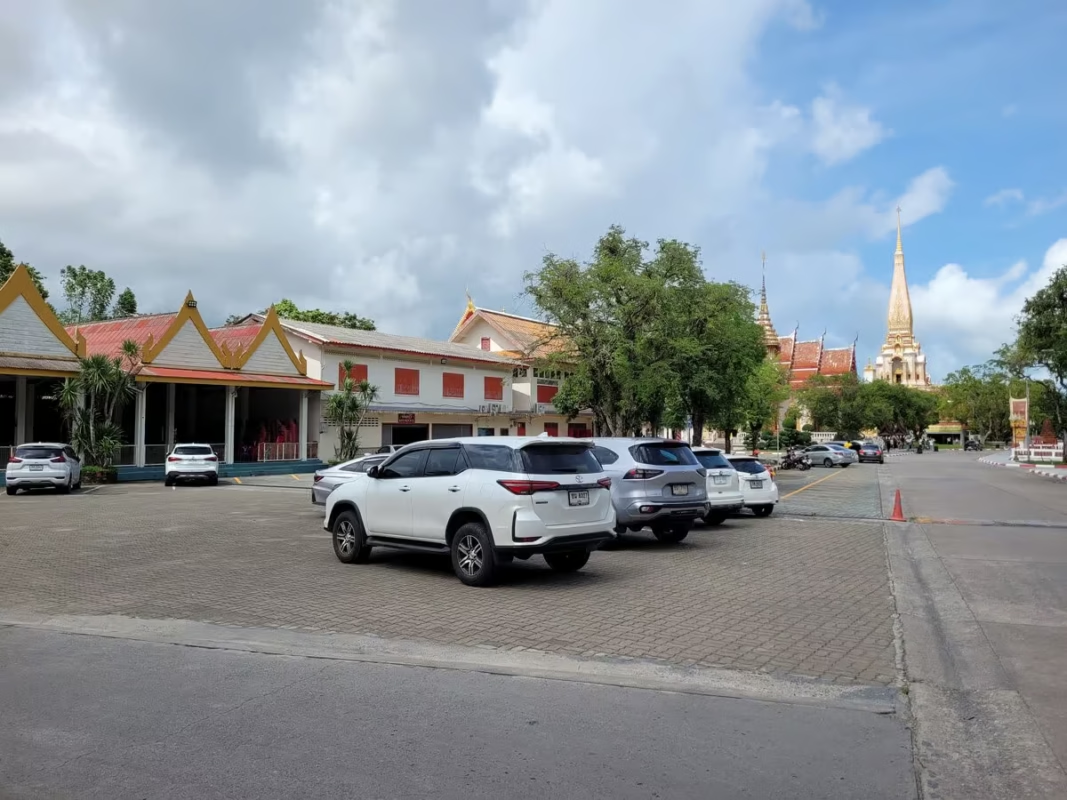
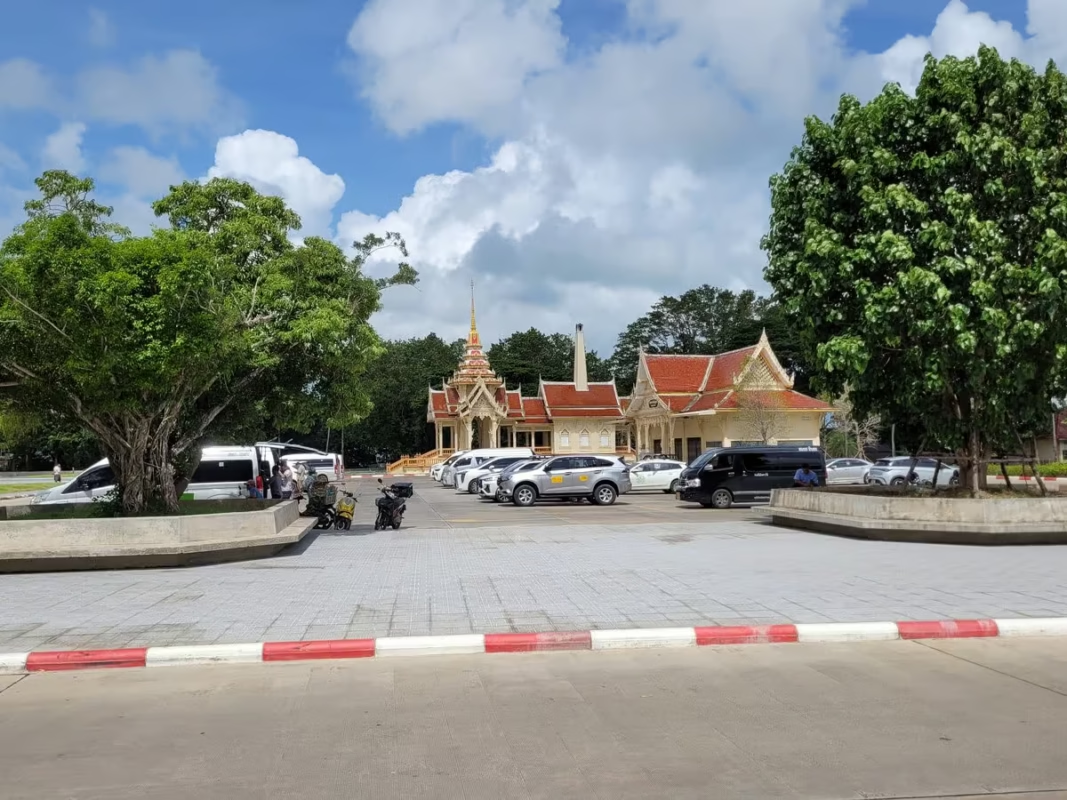
Finding a parking space at Wat Chalong is usually straightforward. The temple complex is connected by wide, well-maintained internal roads, and several parking areas are distributed across the grounds. Even during busy periods, visitors can often find a suitable parking space within a short walking distance of the main temple buildings.
Additional parking spaces are available directly in front of the main entrance. After entering the temple grounds, another parking area is located immediately to the left, close to the monks’ residences and other temple facilities. A larger visitor car park can be found in the rear right section of the complex, while an extensive parking area in the central right section is reserved primarily for tour buses and larger vehicles.
Pay close attention to the curb markings throughout the temple grounds. Red-and-white painted curbs indicate strict no-parking zones. Vehicles parked in these areas may obstruct traffic within the temple complex and should be avoided. Using the designated parking areas is the safest and most convenient option.
Parents are encouraged to ensure children remain quiet inside prayer areas and avoid touching religious objects or statues.
Thanks to its relaxed atmosphere and well-maintained grounds, Wat Chalong is one of the best family-friendly attractions to visit in Phuket.
Wat Chalong is also well suited for older visitors. Most walkways throughout the temple grounds are level, wide, and paved, making the complex easy to explore at a comfortable pace.
Early mornings and late afternoons are generally the most comfortable times for senior visitors, when temperatures are noticeably cooler.
Large parts of Wat Chalong can be accessed via paved pathways, allowing wheelchair users and visitors with limited mobility to comfortably explore the central courtyard and most outdoor areas.
Some buildings, particularly the upper floors of the Great Chedi, are accessible only by stairs and therefore are not fully wheelchair accessible.
Visitors with reduced mobility may find it more comfortable to visit outside peak hours, when the temple is generally quieter and easier to navigate.
Wat Chalong can be visited throughout the year. During Phuket’s dry season, from November to April, visitors can usually expect sunny weather, clear skies, and excellent conditions for sightseeing and photography.
The rainy season, which generally lasts from May to October, is characterized by short tropical showers. Visitor numbers are often lower during this period, allowing for a quieter and more relaxed experience.
The most comfortable temperatures are typically between 8:00 AM and 10:00 AM or after approximately 4:00 PM. Around midday, the tropical sun can become extremely intense, especially in open areas with limited shade.
Yes. Admission to Wat Chalong is completely free. Visitors are welcome to make a voluntary donation to support the maintenance of the temple, but there is no entrance fee.
Most visitors spend between 60 and 90 minutes exploring the temple grounds. If you enjoy photography or wish to experience the peaceful atmosphere at a relaxed pace, you may want to allow a little more time.
Yes. Wat Chalong is a fully active Buddhist temple where monks conduct daily prayers, religious ceremonies, and traditional rituals. It remains an important spiritual center for local residents and visitors alike.
Absolutely. Wat Chalong is easy to explore independently. Informational signs are available throughout the complex, and many visitors choose to combine their visit with the nearby Big Buddha and Phuket Old Town.
Yes. As a place of worship, visitors are expected to dress respectfully. Shoulders and knees should be covered, and shoes must be removed before entering temple buildings.
The loud bangs come from a traditional firecracker ritual. Many worshippers set off firecrackers to express gratitude after prayers have been answered or wishes fulfilled. The ritual takes place inside a specially designed firecracker furnace within the temple grounds.
Yes. The Big Buddha is located only about 8 kilometers from Wat Chalong, making the two attractions one of the most popular sightseeing combinations in Phuket.
Yes. Photography is permitted throughout most of the temple grounds. Visitors should remain respectful and avoid disturbing worshippers or religious ceremonies while taking photographs.
Yes. A large free parking area for both cars and motorbikes is located directly outside the temple entrance.
Wat Chalong is far more than a popular tourist attraction. It is the spiritual heart of Phuket and one of the island’s most significant cultural landmarks. Its unique combination of Buddhist traditions, fascinating history, remarkable architecture, and peaceful surroundings creates an experience that leaves a lasting impression on many visitors.
Anyone who wants to gain a deeper understanding of Phuket should take the time to explore Wat Chalong beyond its beautiful buildings. Watching local worshippers, learning about Buddhist customs, and experiencing the calm atmosphere offers a genuine insight into Thai culture that cannot be found at the island’s beaches alone.
Whether it is your first visit to Phuket or you have been to the island many times before, Wat Chalong remains one of those places that deserves a place on every itinerary.
Would you like to explore the sacred Wat Chalong, the iconic Big Buddha, and historic Phuket Old Town in comfort and without tourist crowds? With our exclusive Phuket Premium City Tour, we tailor the perfect cultural day for you – either in an intimate small group (max. 8 guests) or as a 100% private tour.
Why Discover Wat Chalong and Phuket’s Highlights With Us:
Prefer to compare all tour variations (Private vs. Small Group)?
» View All Cultural & Sightseeing Tours in Phuket
Have questions or special requests?
Contact our team directly on WhatsApp for personalized assistance: » Chat with Us on WhatsApp